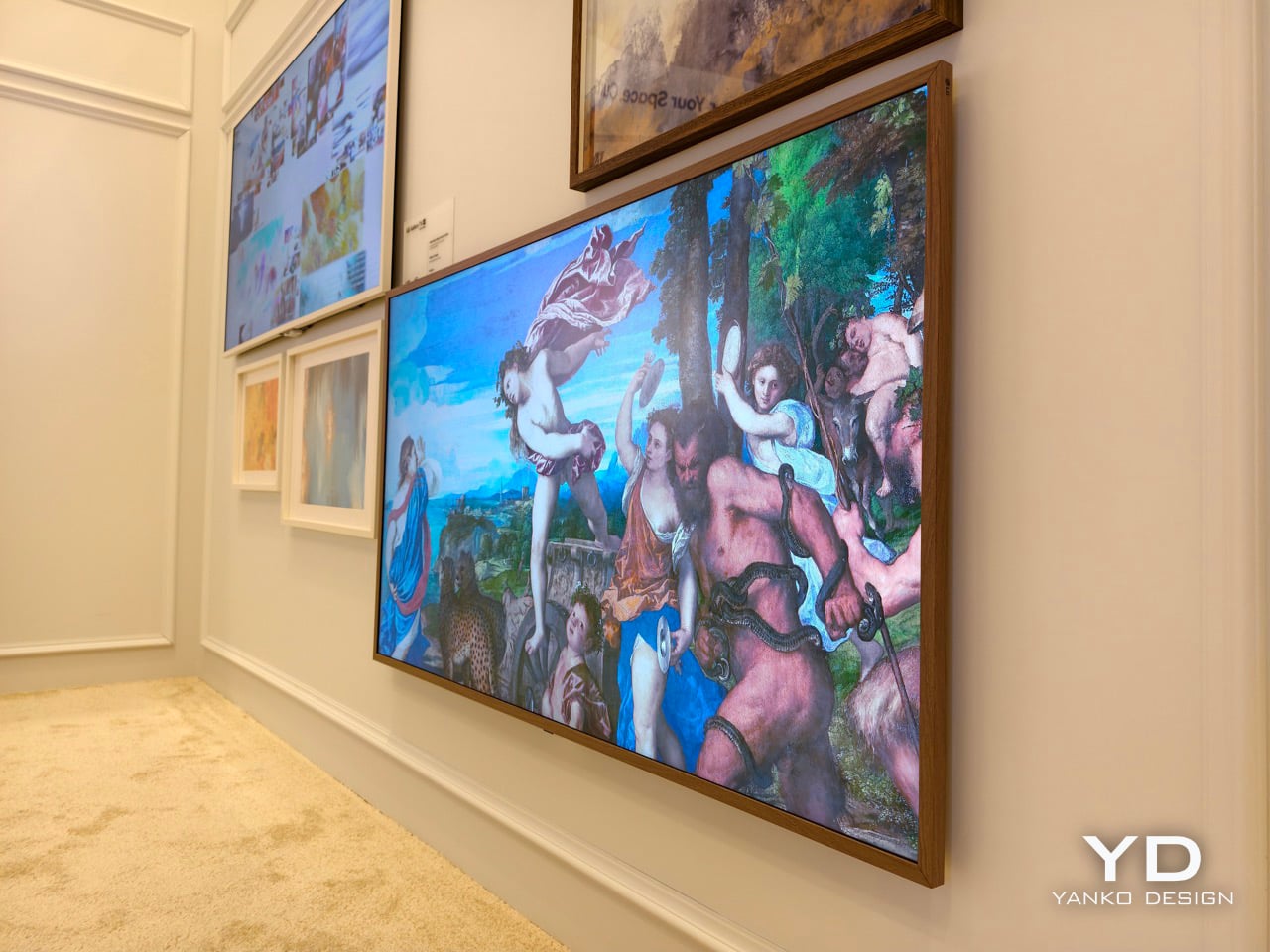

Museum curators don’t typically collaborate with television manufacturers, but LG Electronics recruited them specifically to develop the Gallery Mode for its new Gallery TV launching at CES 2026. This specialized display mode optimizes color accuracy, brightness levels, and glare reduction to reproduce the visual texture of original artworks with exhibition-quality fidelity. The screen automatically adjusts to changing ambient light throughout the day, maintaining clarity whether morning sun floods the room or evening darkness sets in.
LG’s approach combines the Alpha 7 AI Processor with MiniLED display technology to deliver 4K resolution suitable for both traditional television content and fine art reproduction. The audio system features AI Sound Pro with Virtual 9.1.2ch capability for immersive surround sound simulation. Customizable magnetic frames attach to the slim, flush-mount design, with one frame type included and additional options sold separately. The Gallery+ service provides access to over 4,500 pieces of content spanning fine art, cinematic scenes, game visuals, and animations, though the full library requires a monthly subscription while a free light version offers limited access.
Designer: LG
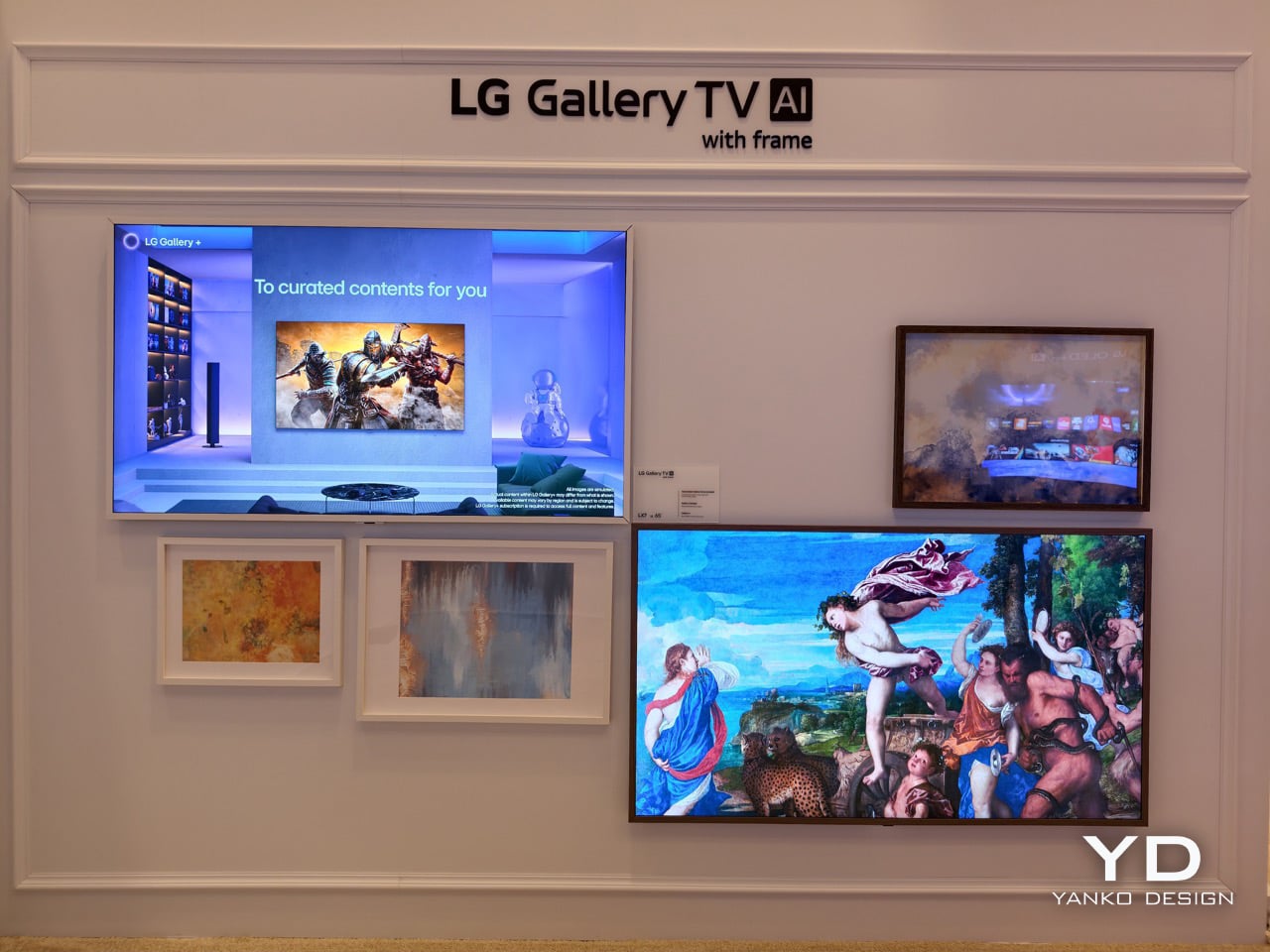
Here’s the thing that Samsung probably saw coming from a mile away. LG finally decided the art TV market is worth serious attention, which means the category has officially graduated from novelty to legitimate product segment. The Frame has been sitting pretty much unchallenged for years while TCL and Hisense tossed their hats in the ring, but LG entering changes the competitive dynamics entirely. They’ve got distribution channels, brand recognition, and display technology chops that make this a credible threat rather than an unassuming Frame competitor.

The MiniLED implementation with the Alpha 7 processor tells you LG is positioning this above budget competitors. They’re using actual processing power to handle the museum-curated Gallery Mode instead of just slapping a matte filter on a standard panel and calling it art-ready. The anti-glare treatment combined with automatic ambient light adjustment means the TV actively works to maintain image quality as your living room lighting shifts from breakfast through sunset. That’s the kind of engineering detail that separates premium products from cheap imitations trying to ride a trend.
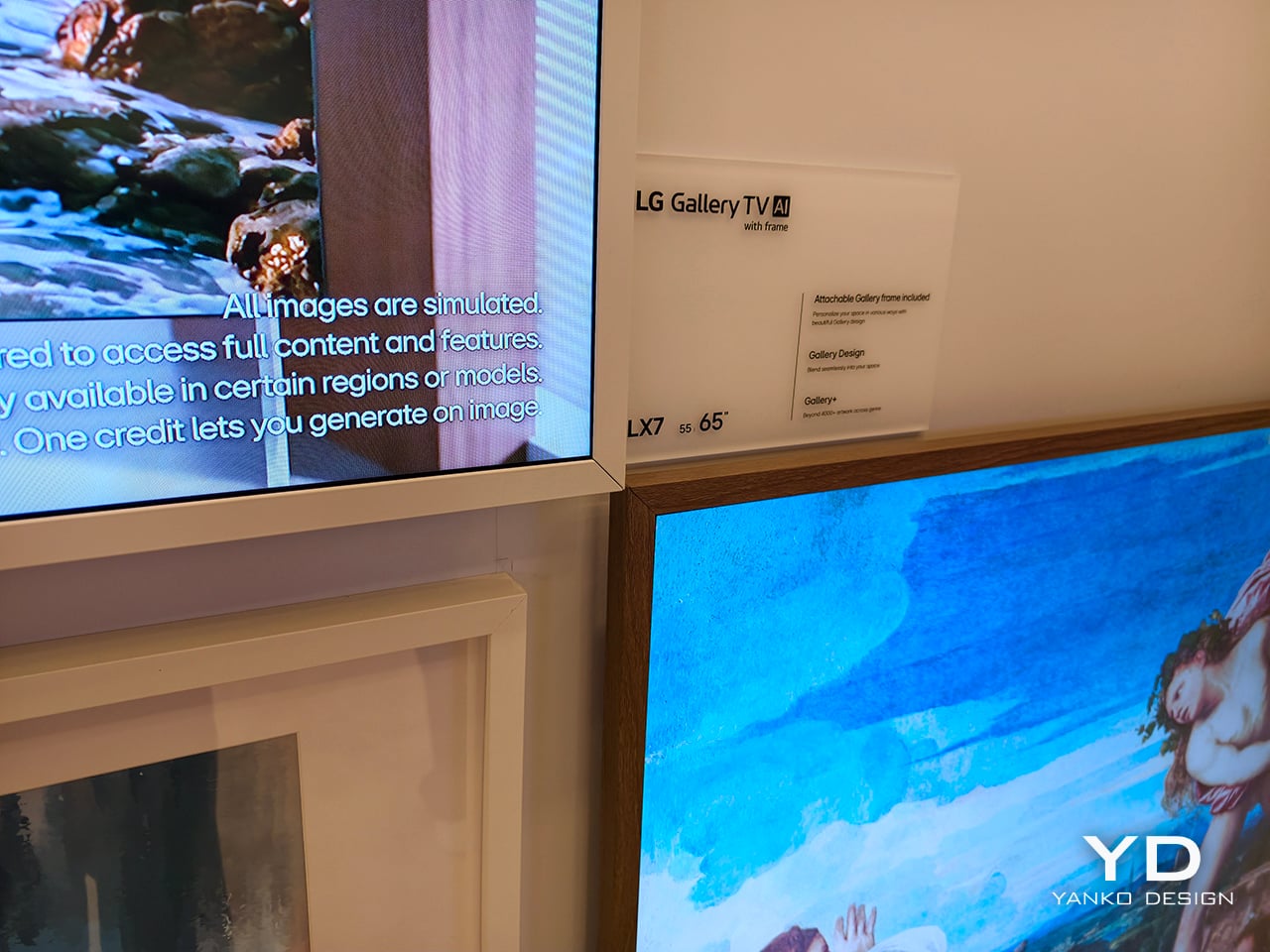
What I find genuinely interesting is the content library breadth beyond traditional fine art. Including cinematic scenes, game visuals, and animations alongside classical paintings suggests LG understands their actual customer base better than the “sophisticated gallery atmosphere” marketing copy implies. People buying these TVs want options that match their personality, whether that’s Monet or concept art from their favorite video game. The generative AI image creation and personal photo display features push this further into customization territory, which makes sense given how much interior design flexibility drives purchases in this category.
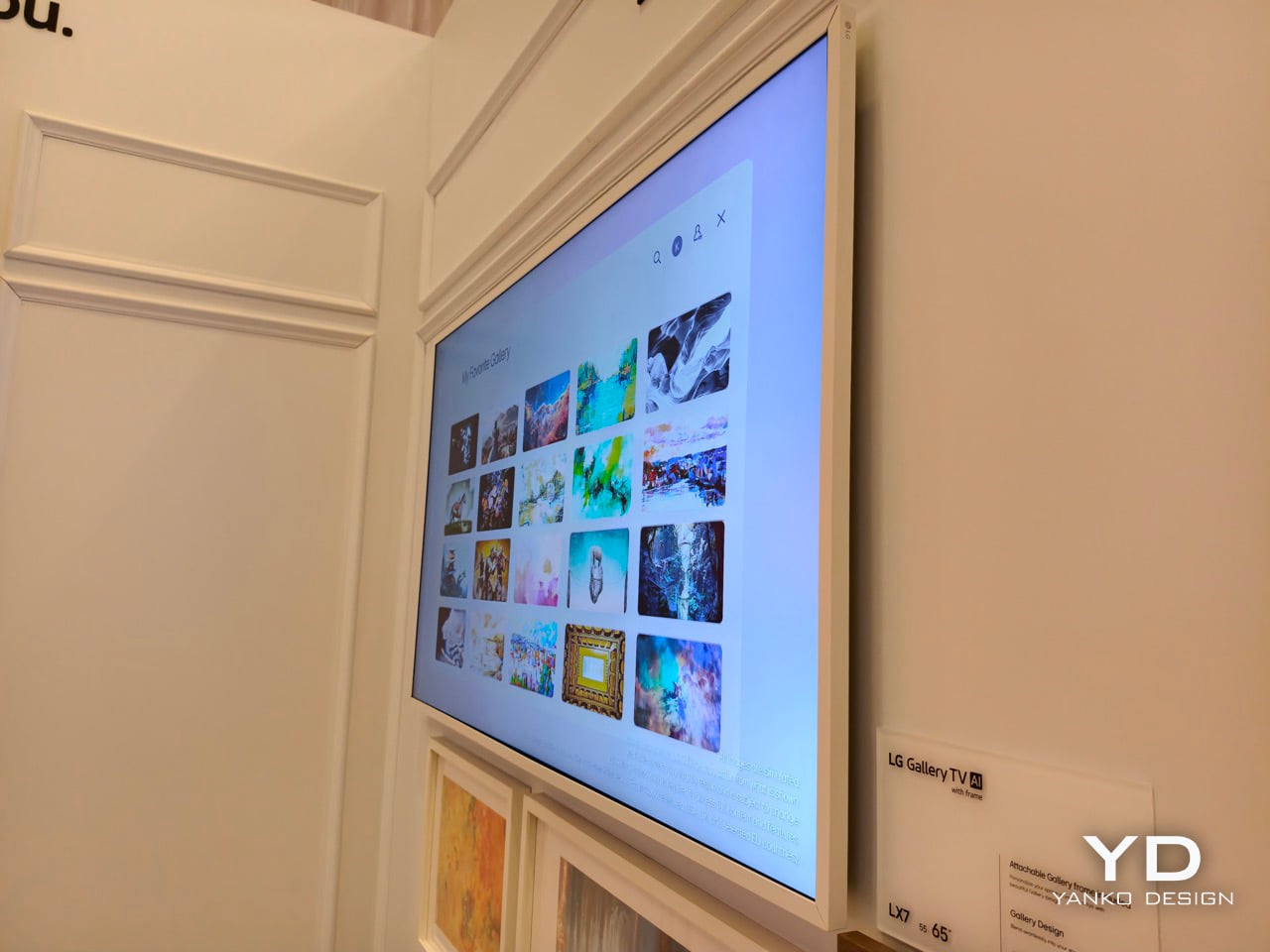
The subscription model will be the real conversation starter though. LG offers a free light version but gates the full 4,500-piece library behind a monthly webOS Pay subscription. No pricing details yet, but this fundamentally changes the value equation. You’re buying the hardware and then paying ongoing fees for content access, which works great for LG’s recurring revenue goals but might frustrate consumers expecting a one-time purchase. Samsung doesn’t charge monthly fees for art content on the Frame, so LG is betting their library quality and refresh rate justify the subscription model. We’ll see if consumers agree when the real pricing drops at CES next week.