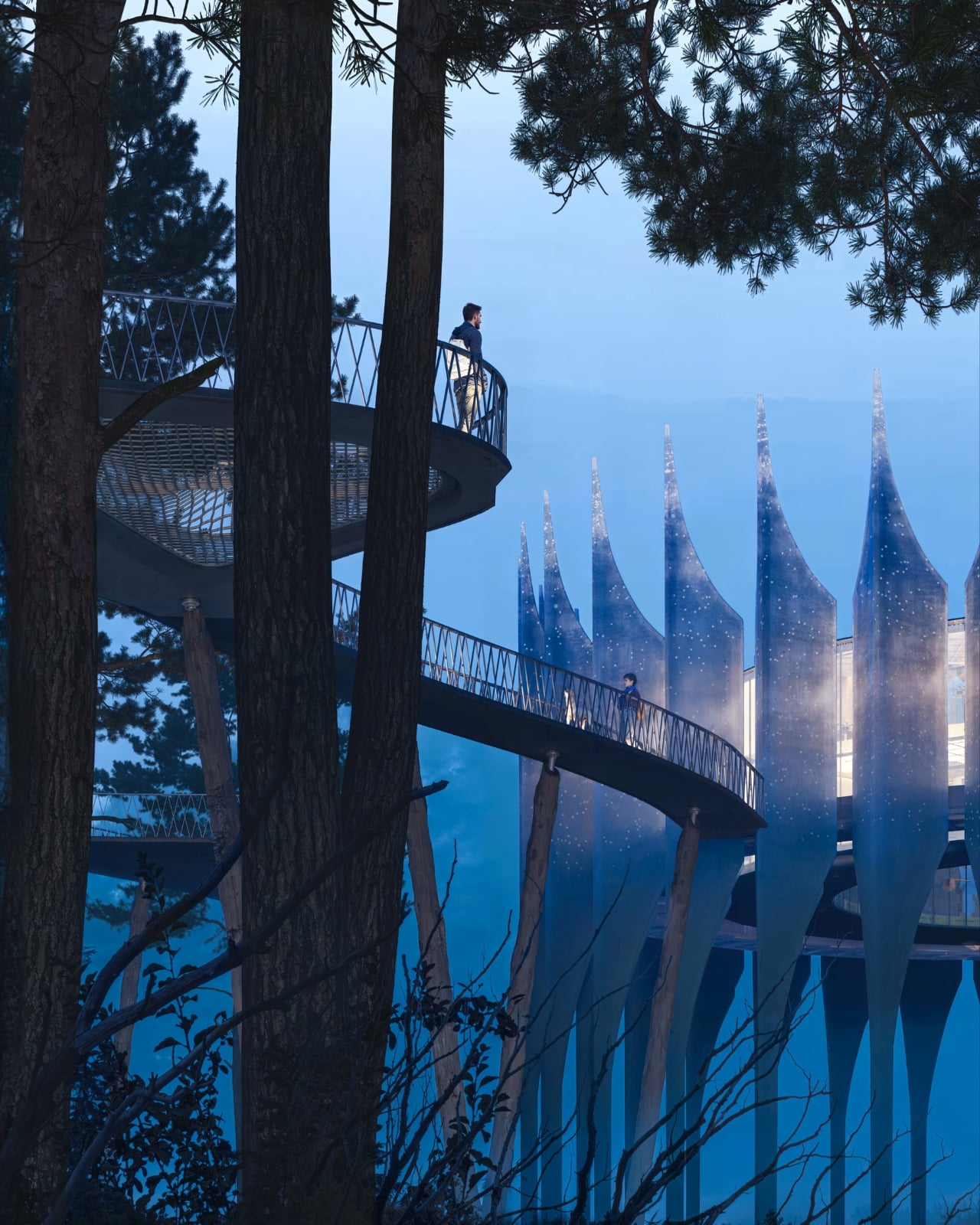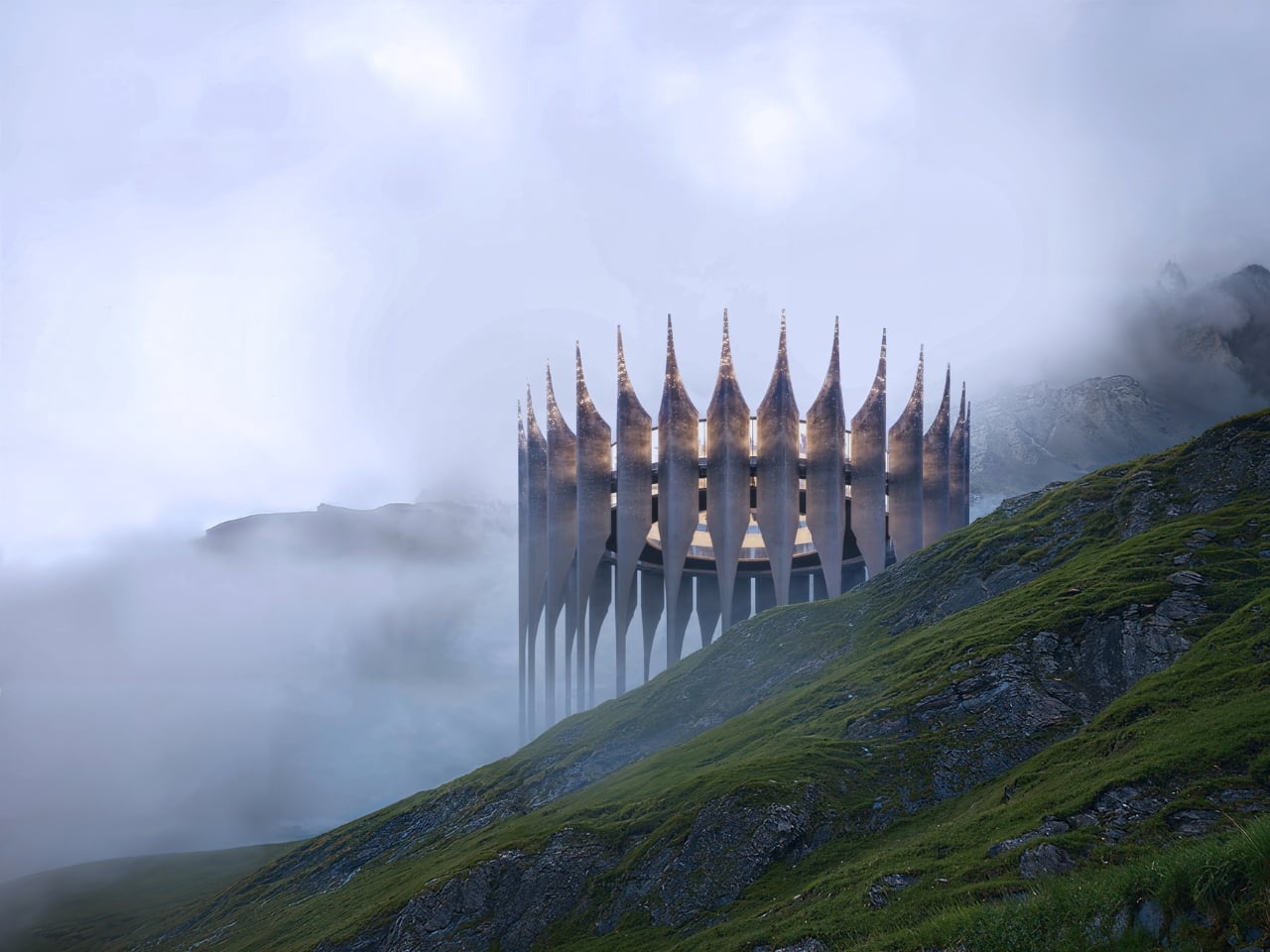

Picture this: you’re hiking through the Carpathians when fog rolls in and you lose your bearings. Instead of waiting hours for a helicopter rescue team, a drone reaches you in minutes, delivering supplies and guidance while thermal cameras track your location. This isn’t science fiction. It’s the vision behind Lynx, a jaw-dropping architectural concept that’s equal parts rescue station, tourist destination, and gothic cathedral.
Architect Alina Sanina has designed something that looks like it was pulled straight out of a fantasy epic, yet serves an incredibly practical purpose. These circular stations would perch in remote mountain locations across ranges like the Alps and Pyrenees, acting as autonomous hubs where drones can charge, launch, and coordinate rescue operations. But here’s where it gets interesting: they’re not just utilitarian tech boxes. Each station could house a planetarium, research facilities, viewing terraces, or even overnight accommodations. Think of them as architectural landmarks that happen to save lives.
Designer: Alina Sanina
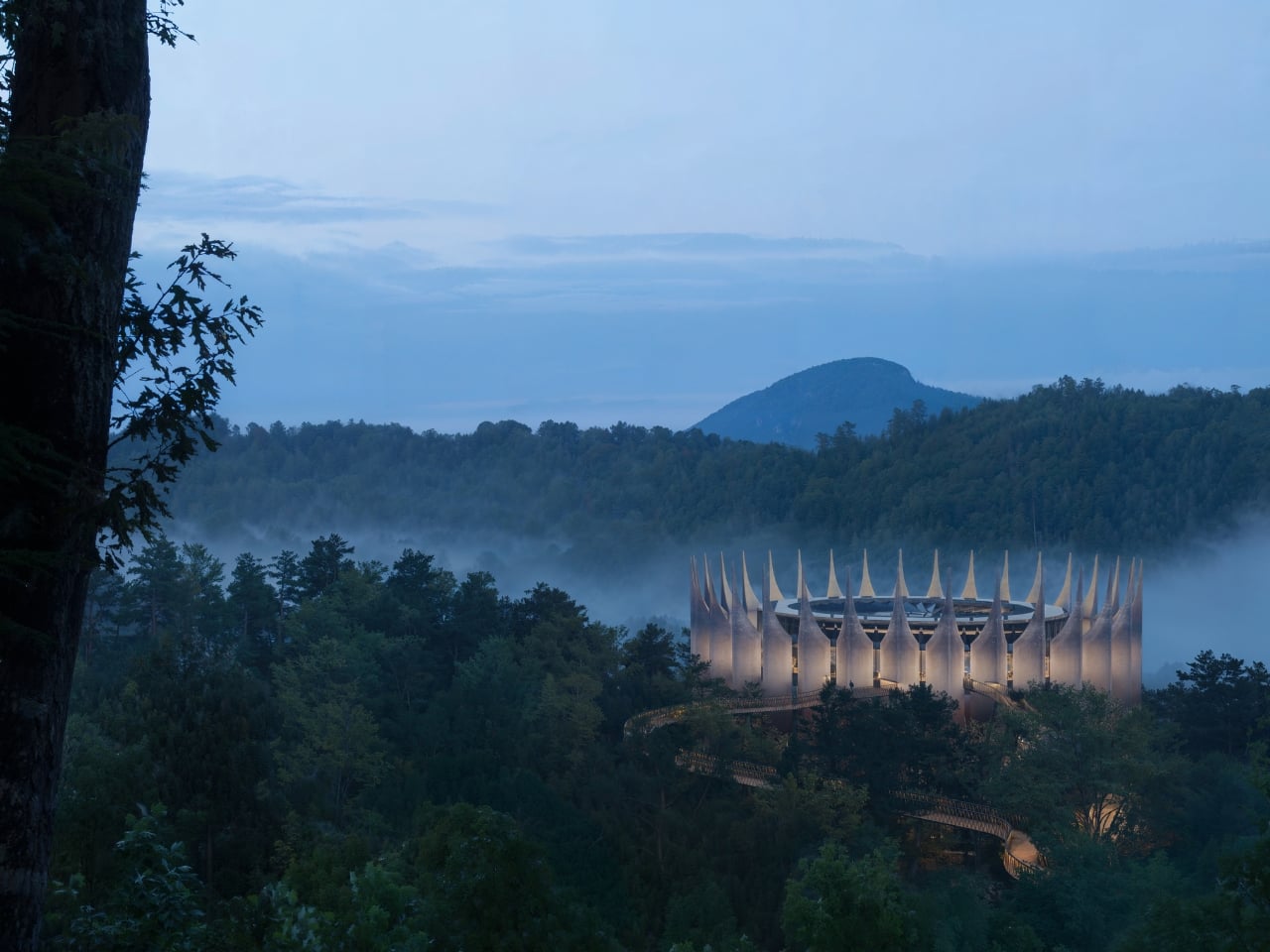
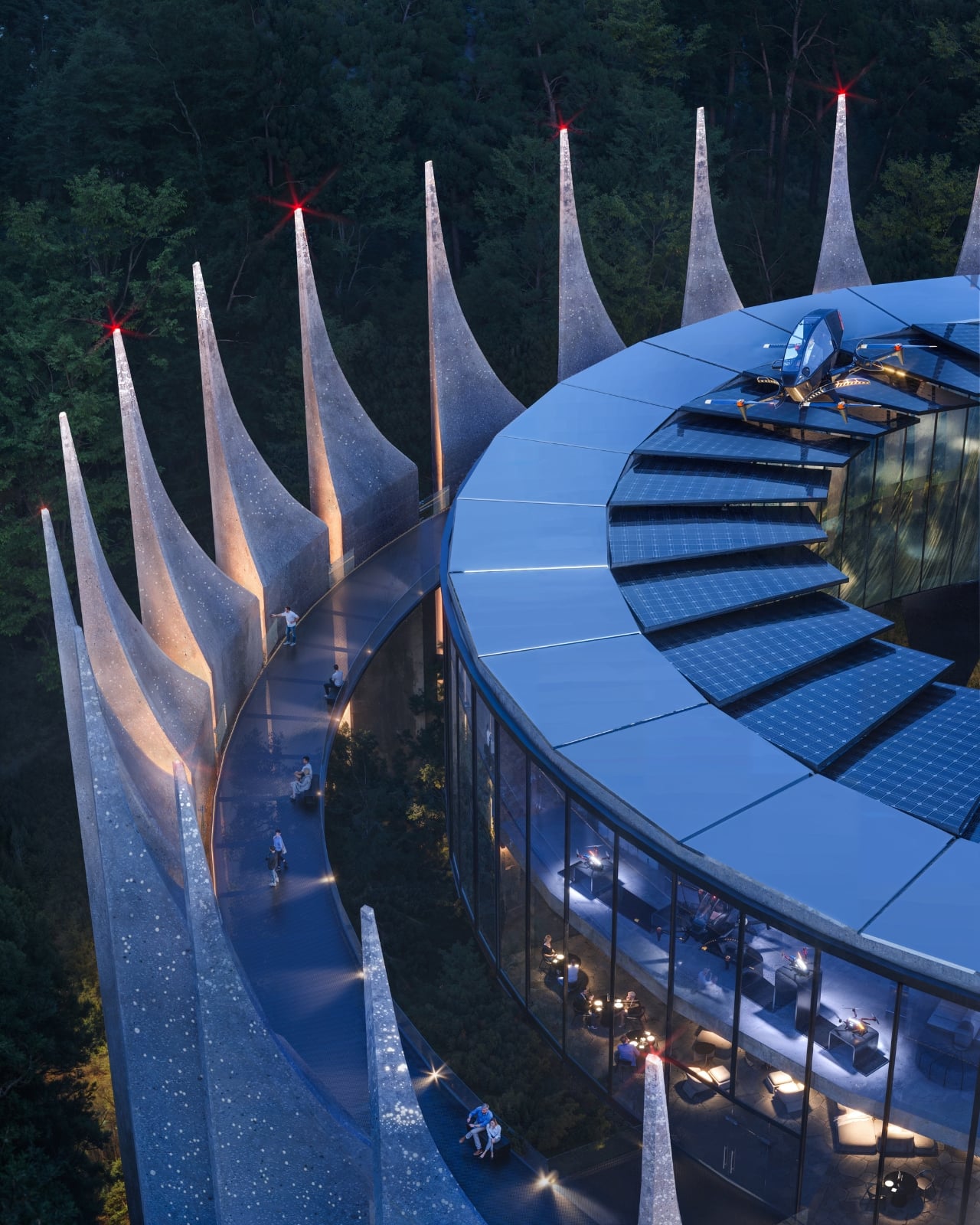
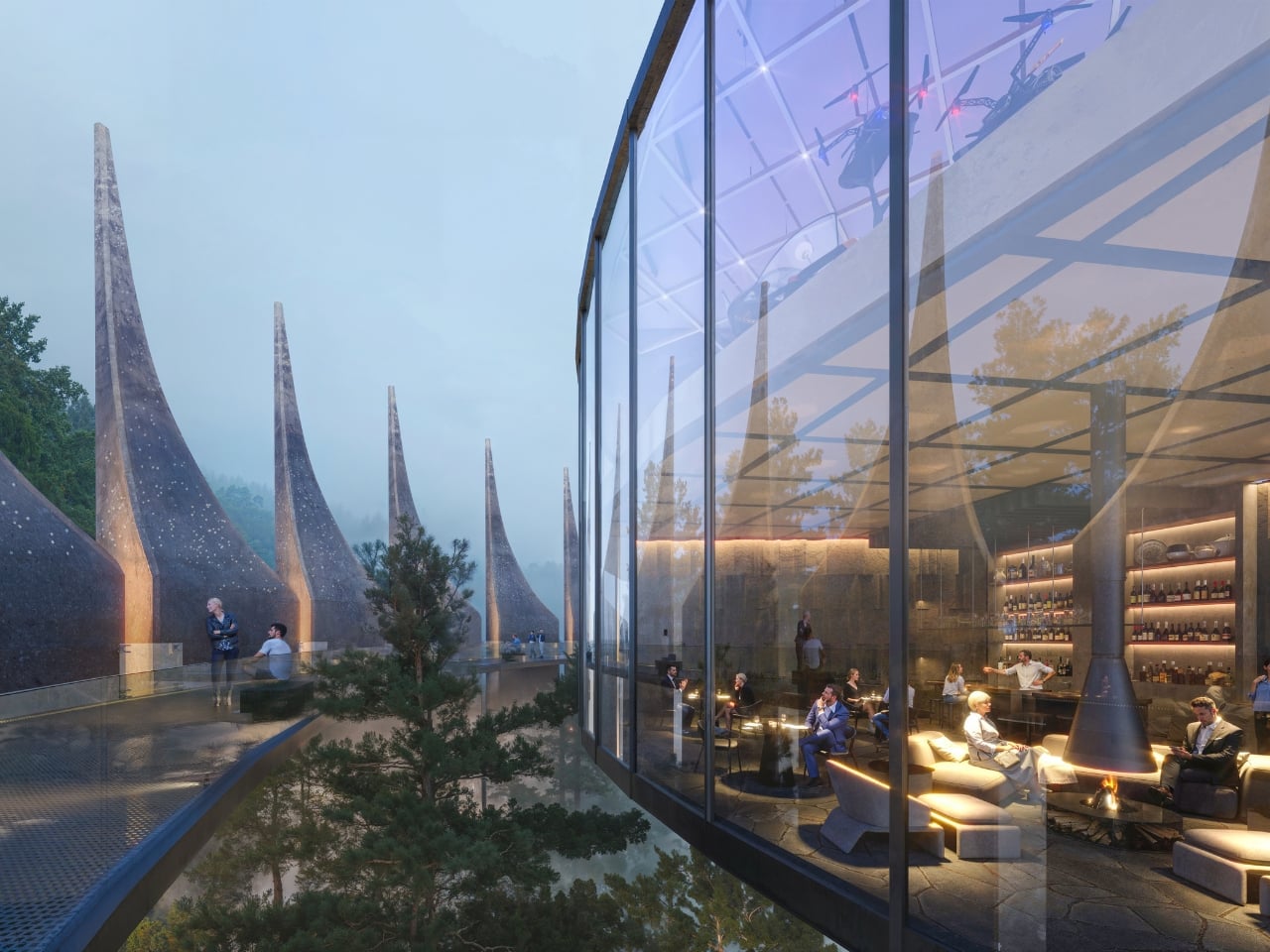
The design itself is absolutely stunning. Sanina describes the aesthetic as “gothic futurist,” and you can see why. Concentric rings echo ancient fortress layouts, while serrated concrete walls rise in rhythmic peaks that mirror the surrounding ridgelines. It’s architecture that doesn’t fight the landscape but converses with it. The real magic happens in the materials, though. The structure uses a composite that blends concrete with glass inclusions, gradually shifting from solid concrete at the base to increasingly translucent glass as it climbs upward. The result? A building that literally appears to dissolve into the sky.
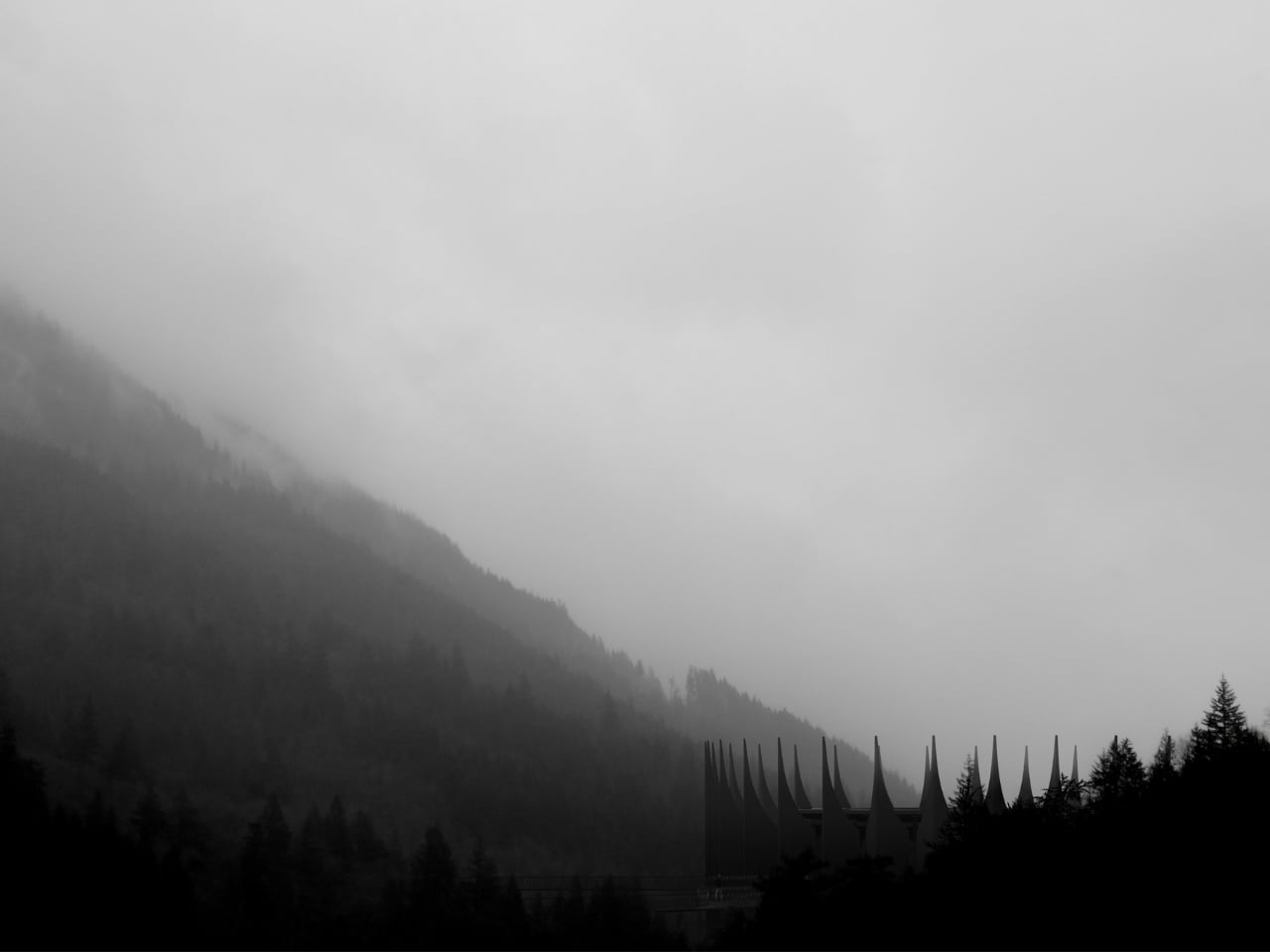
Those microscopic glass particles aren’t just pretty either. They refract light throughout the day, creating a crystalline shimmer that changes with cloud cover and sun position. Integrated photovoltaic cells turn the entire exterior into an energy-generating skin, allowing these stations to operate completely off-grid in locations where traditional infrastructure would be impossible. Additional roof panels power the drone charging systems and internal operations. Inside, floor-to-ceiling glass opens onto panoramic mountain views, blurring the line between shelter and wilderness. The flexible design means each station could adapt to its location and needs, functioning as an observatory in one spot, a wayfinding beacon in another, or a resort-adjacent public space somewhere else.

The concept emerged from a real and growing problem. In Ukraine’s Carpathian mountains alone, rescue teams conducted over 500 missions in 2024. Sudden weather shifts, communication failures, and treacherous terrain put hikers at constant risk. Traditional rescues require extensive resources: trained teams, search dogs, specialized equipment, helicopters. It’s expensive, time-consuming, and sometimes dangerous for the rescuers themselves. Drones can survey vast territories in minutes, detect thermal signatures through fog or darkness, deliver urgent supplies, and provide real-time communication.
What makes this concept particularly timely is Ukraine’s rapid advancement in drone technology, accelerated by wartime innovation. “The moment for Lynx has come,” Sanina explains. “The technology is ready, aerial routes exist, and there are hundreds of skilled operators. It’s time to imagine how drones can serve rescue, care and human well-being.” It’s a powerful reframing of technology often associated with warfare, repositioning it as infrastructure for care and conservation.
The system would integrate through a mobile app providing hikers with route data, weather updates, and a crucial SOS function. Service drones would deliver essentials like water, food, and medical supplies to remote hiking segments, while separate passenger drones could offer aerial sightseeing tours. The stations would form a networked system, monitoring environmental conditions and coordinating responses across entire mountain ranges.
Lynx imagines a future where drone stations become as commonplace in mountain regions as ski lifts or ranger stations, but far more intelligent and adaptive. It’s infrastructure that doesn’t dominate nature but works symbiotically with it. These aren’t just buildings or tech installations. They’re a new architectural typology entirely, one where technology, tourism, and wilderness protection converge in structures as beautiful as they are functional. In an era when we’re constantly told to choose between technological progress and environmental preservation, Lynx suggests maybe we don’t have to choose at all.