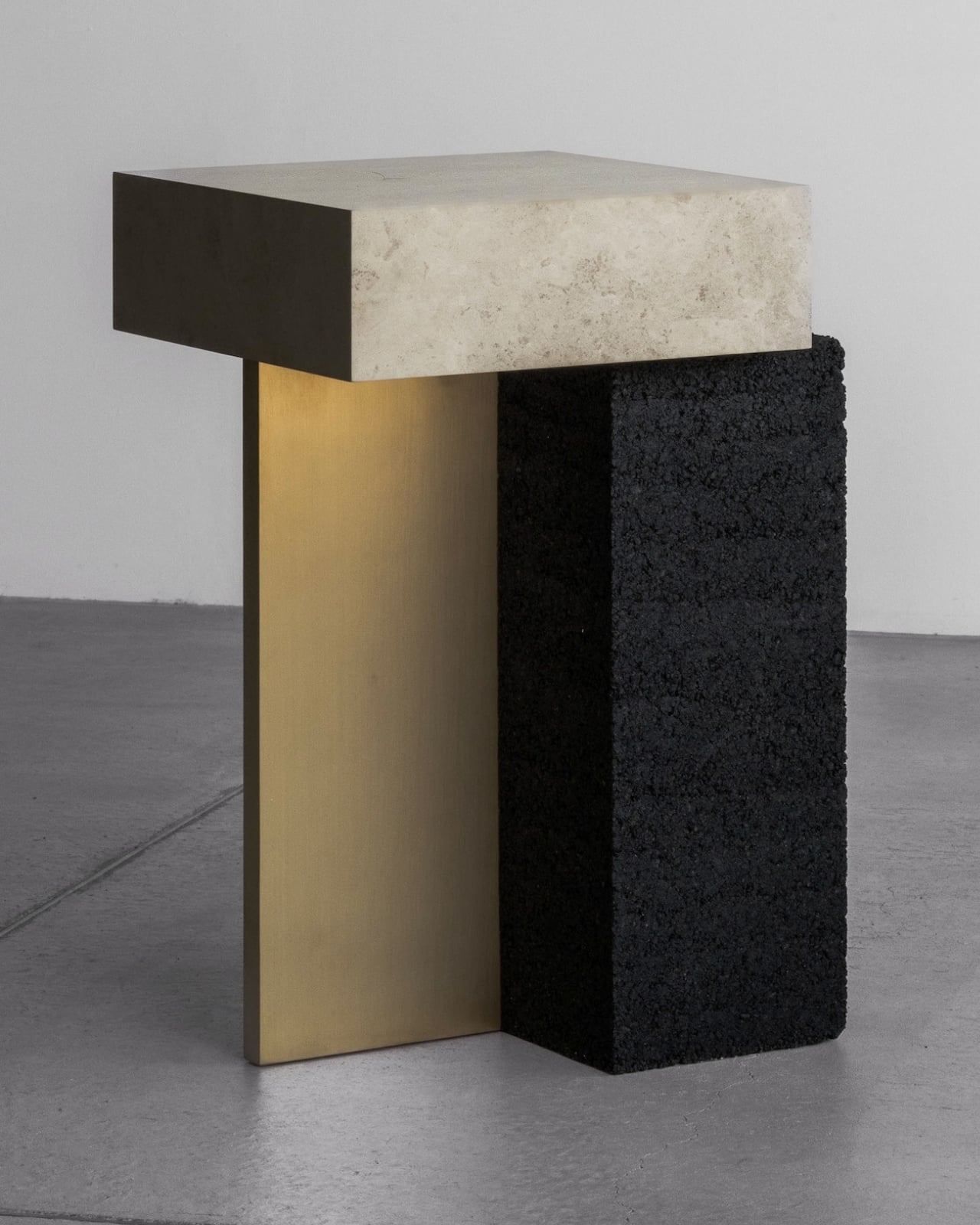

When you think of asphalt, furniture probably isn’t the first thing that comes to mind. More likely, you’re picturing roads, parking lots, or maybe the smell of fresh pavement on a hot summer day. But designer So Koizumi is flipping that association on its head with a new collection that’s making us completely rethink this humble material.
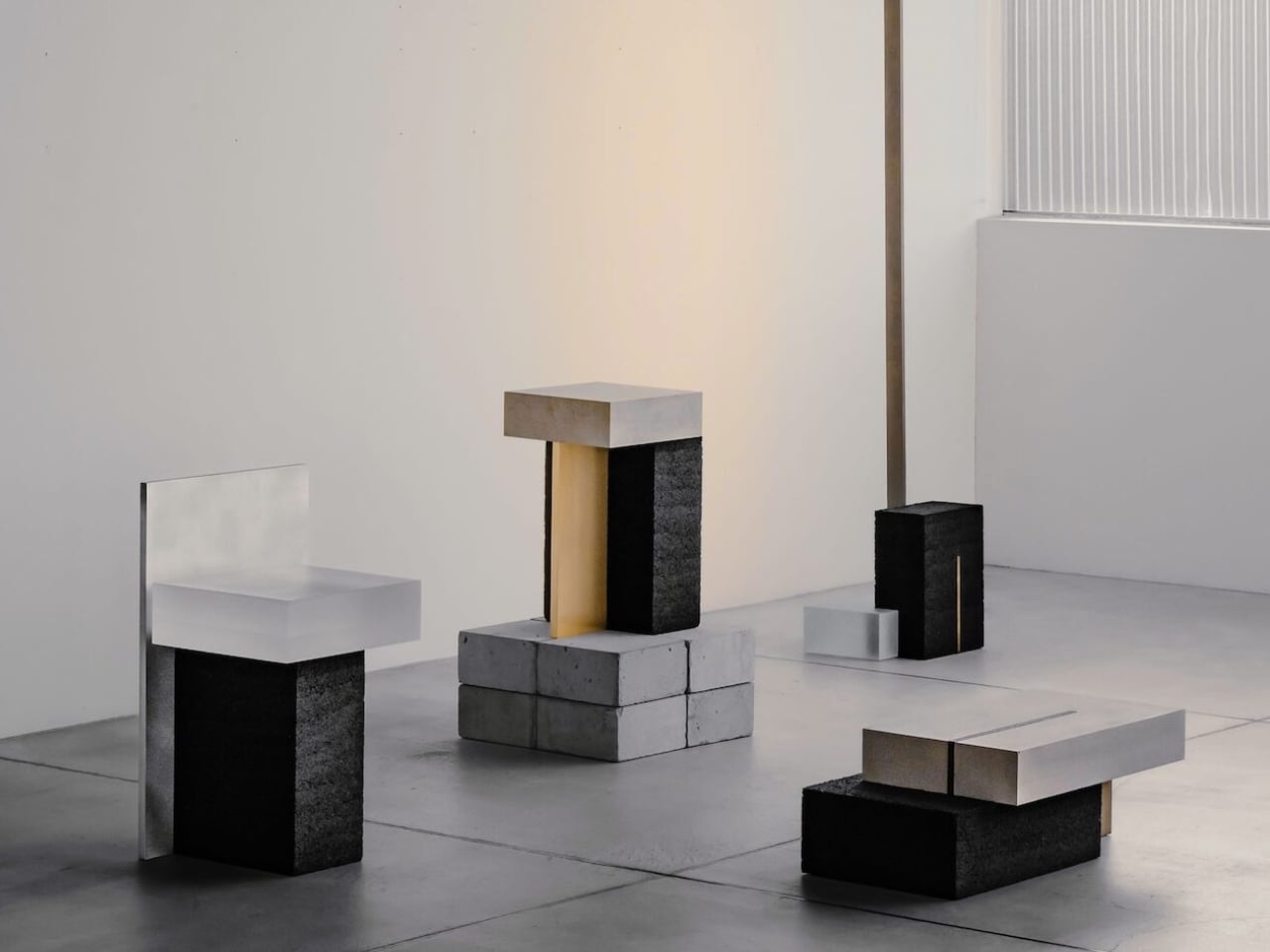
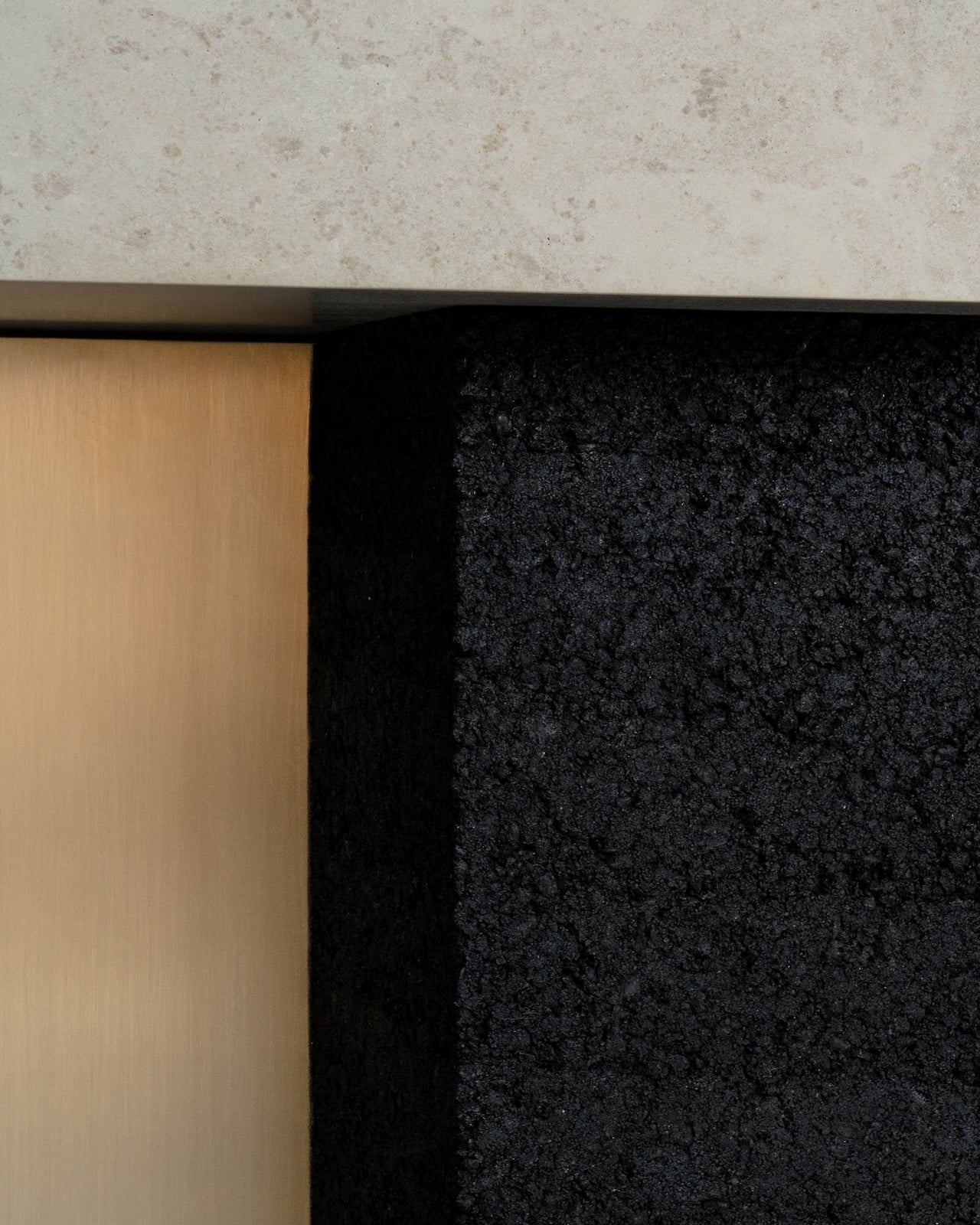
The series, simply called “As,” takes asphalt back to its roots. Long before it became synonymous with infrastructure, asphalt was actually used as a binding agent, bringing different materials together. Koizumi taps into this ancient purpose and transforms it into something unexpectedly beautiful: stools, side tables, lighting fixtures, and wall-mounted objects where asphalt serves as the glue holding together metal, stone, and resin.
Designer: So Koizumi
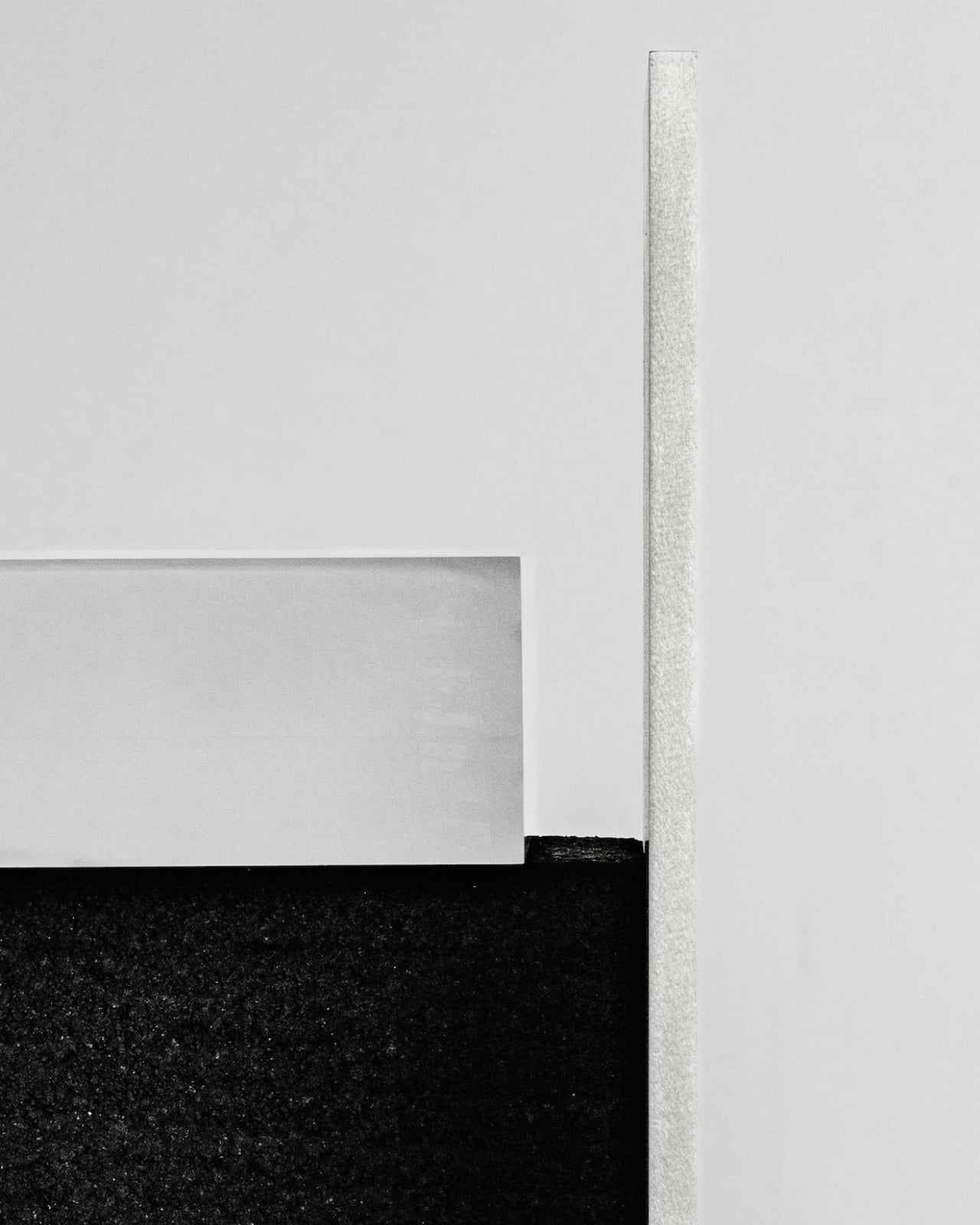

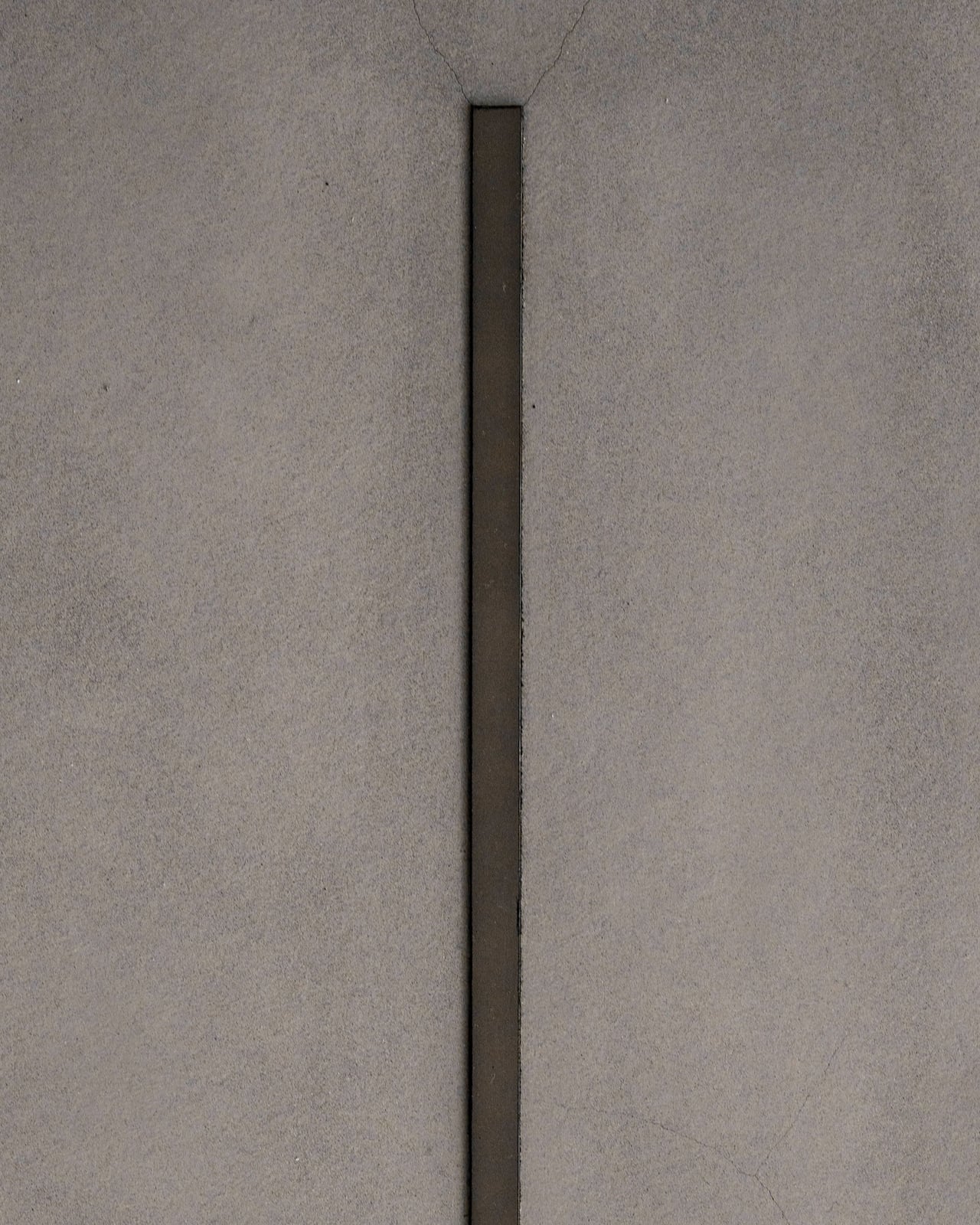
What makes this collection really interesting is how Koizumi approaches the material itself. This isn’t some off-the-shelf, industrial-grade asphalt. Instead, each piece involves hand-shaping and finishing, with the texture and density changing based on what each object needs structurally and aesthetically. It’s a hands-on process that involves experimenting, testing, and refining until the materials play nicely together.
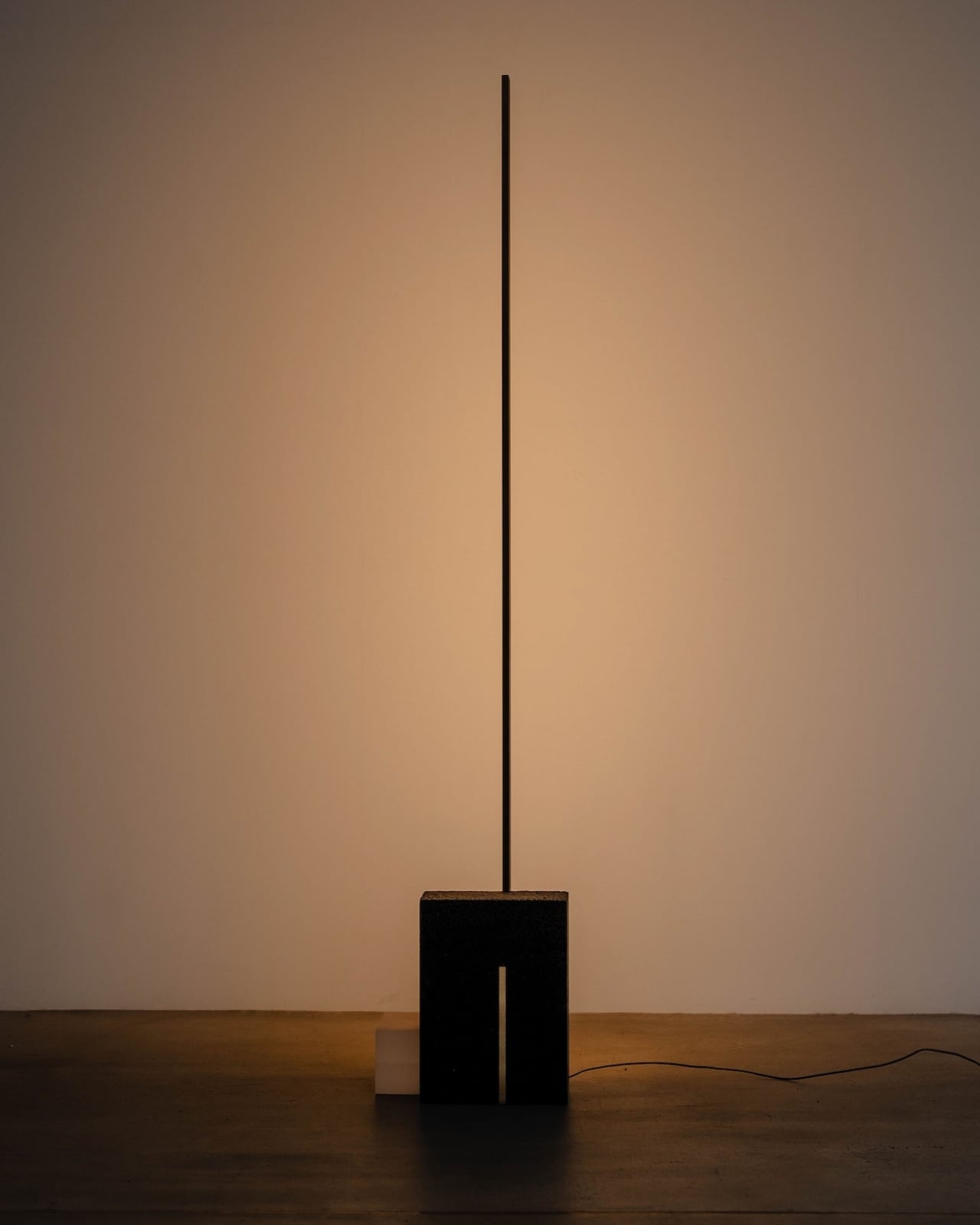
Think about it for a second. Asphalt is typically something we walk or drive on without a second thought. It’s functional, forgettable, purely utilitarian. But here, it becomes the star of the show, or at least a co-star alongside the metals and stones it connects. The collection treats asphalt not as a surface layer you slap on top, but as a structural intermediary, forming cores that support and anchor everything else.
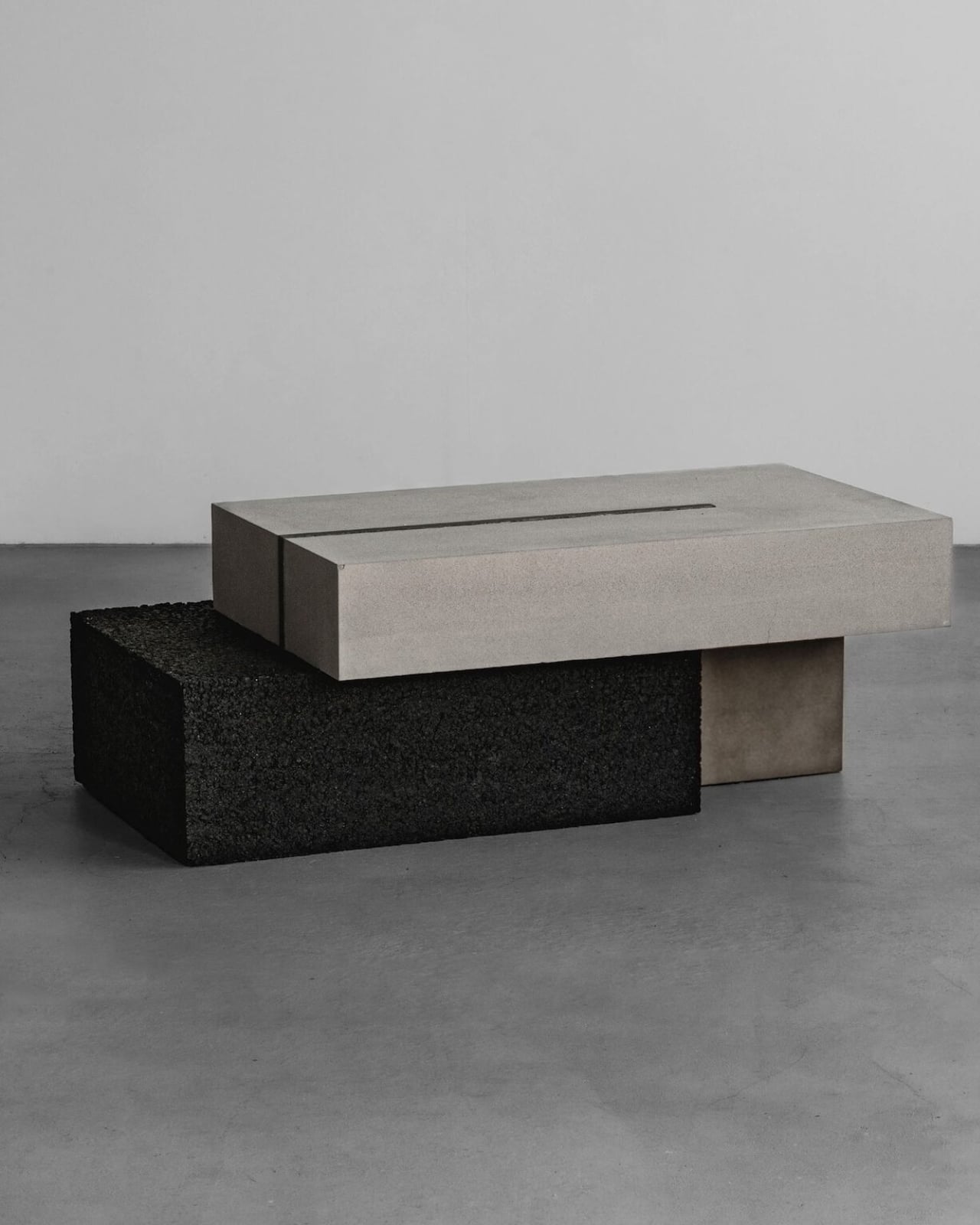
The result is furniture that feels almost sculptural. These aren’t your typical mass-produced pieces that roll off an assembly line. Each object has its own character, its own story of how different materials came together through this unexpected mediator. There’s something deeply satisfying about seeing such disparate elements (industrial metal, natural stone, synthetic resin) united by something as overlooked as asphalt.
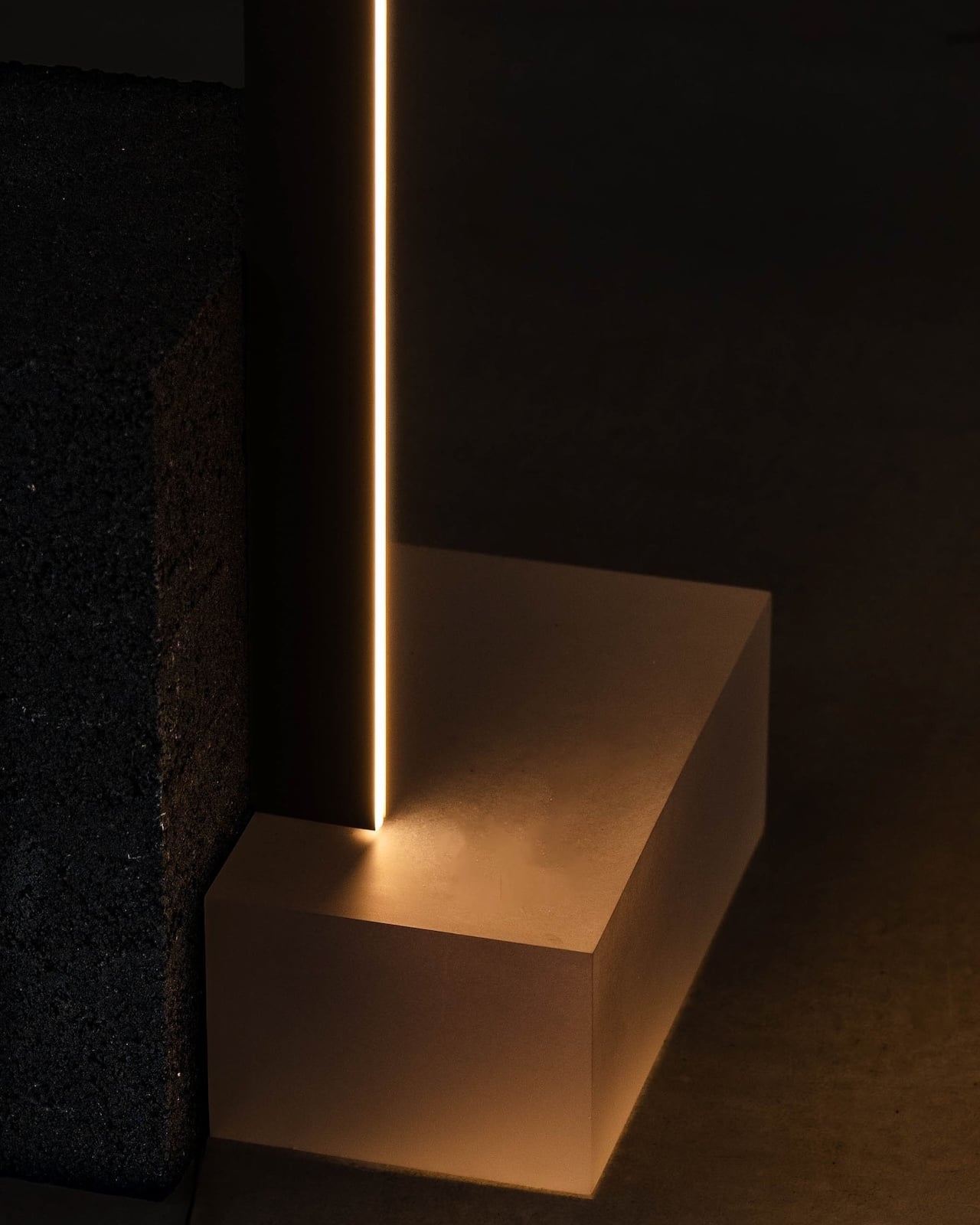
From a design perspective, what Koizumi is doing speaks to a bigger movement we’re seeing right now. Designers are increasingly interested in material honesty, in celebrating what things are actually made of rather than hiding it behind veneers and polish. They’re also looking at waste materials, industrial byproducts, and overlooked substances with fresh eyes, asking what else they could become.

The “As” series fits perfectly into this ethos. It challenges our preconceptions about what materials belong where. Why shouldn’t asphalt have a place in your living room? Why can’t something designed for roads also work as a elegant side table or atmospheric lighting? These questions might sound cheeky, but they’re actually at the heart of innovative design. There’s also something poetic about the concept. Asphalt connects places in our cities, quite literally paving the way from point A to point B. In Koizumi’s hands, it connects materials instead, creating little ecosystems where metal meets stone meets resin, all held together by this dark, textured binding agent. The furniture becomes a metaphor for connection itself.
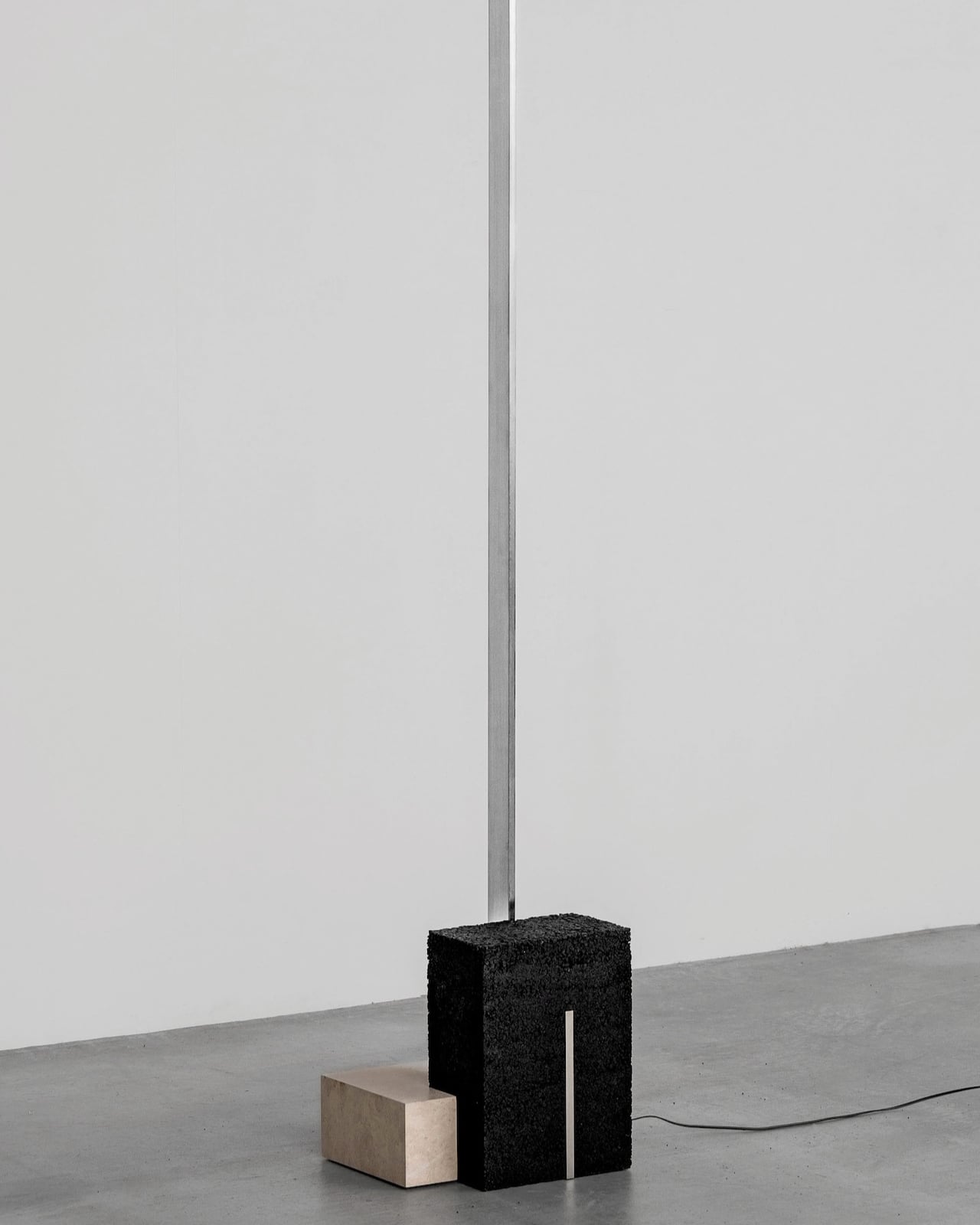
What’s particularly cool is how this collection sits at the intersection of art and function. Yes, these are usable pieces. You can sit on the stools, set your coffee on the tables, light your space with the fixtures. But they’re also conversation starters, objects that make you pause and reconsider your assumptions. They blur the line between furniture and sculpture in the best possible way.
For anyone who loves design that takes risks and challenges norms, the “As” collection is definitely worth checking out. It’s not trying to be trendy or follow what everyone else is doing. Instead, it carves out its own weird, wonderful niche by asking a simple question: what if we used asphalt differently? The answer, as it turns out, is pretty compelling. Sometimes the most innovative ideas come from looking at the most ordinary materials with extraordinary imagination.