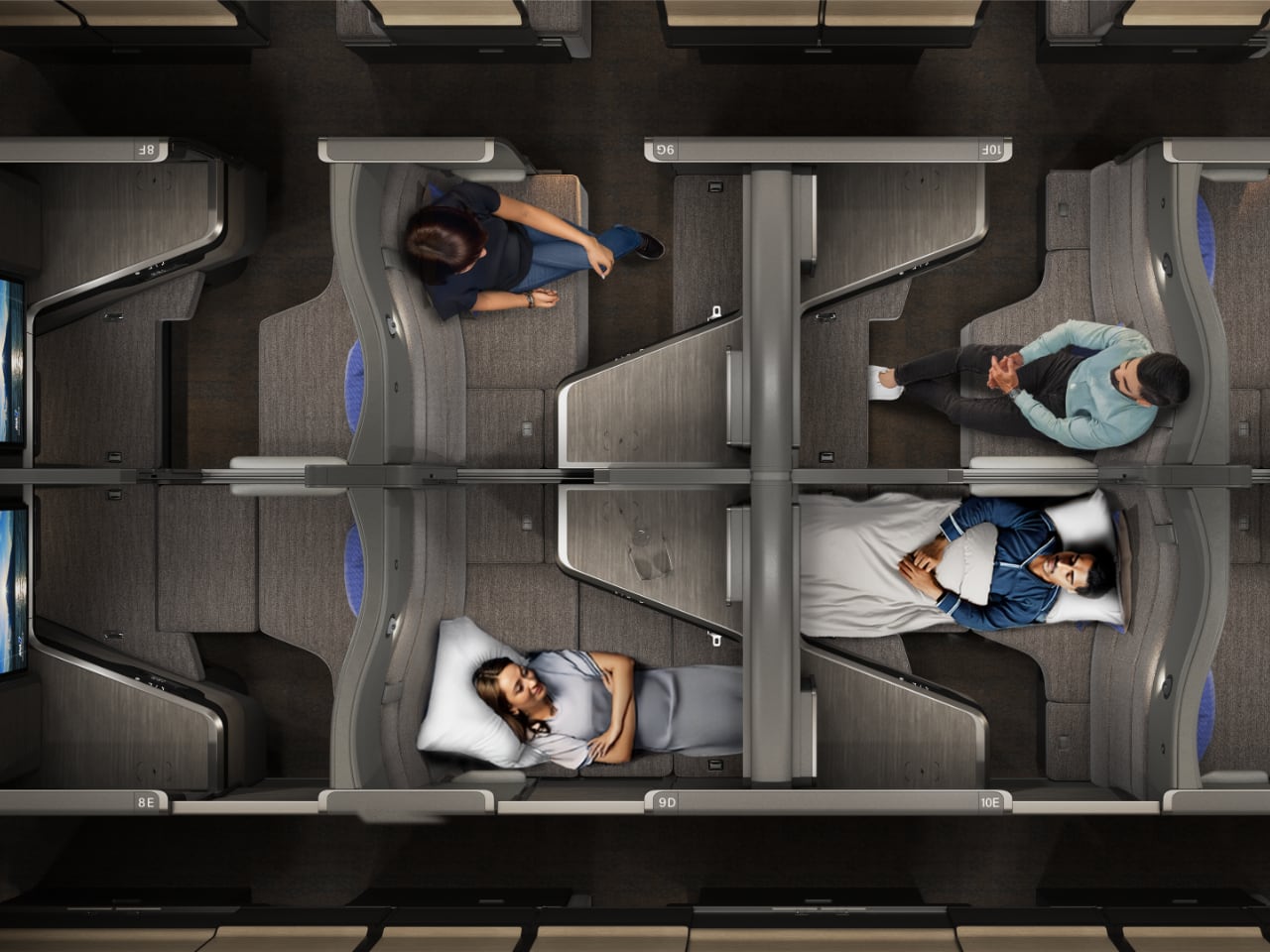

All Nippon Airways just dropped something that’s making the aviation design world take notice. The Room FX business class isn’t your typical airline seat refresh – it’s a complete rethinking of how we approach comfort at 35,000 feet. After spending years perfecting The Room on their Boeing 777s, ANA partnered with Safran Seats and British design studio Acumen to create something entirely different for their 787-9 Dreamliners. The result challenges everything we thought we knew about business class design on mid-sized aircraft. Instead of cramming more seats into available space, they’ve gone the opposite direction, prioritizing passenger experience over profit margins. What makes this particularly interesting is how they’ve managed to maintain the DNA of their flagship product while adapting it for a completely different aircraft platform. As someone who’s spent way too many hours in business class seats that promise the world and deliver mediocrity, this approach feels refreshingly honest.
Designer: ANA (All Nippon Airways)
The “FX” stands for “Future Experience,” and that’s not marketing speak. This represents ANA’s first major business class refresh for mid-sized aircraft in over a decade. They’re betting big on a design philosophy that puts space and comfort ahead of seat count, which is basically unheard of in today’s airline industry. The timing feels deliberate. As other airlines squeeze more passengers into premium cabins, ANA is moving in the opposite direction with what they’re calling “the world’s largest seat in its class on a mid-sized aircraft.”
The Sofa Revolution Takes Flight
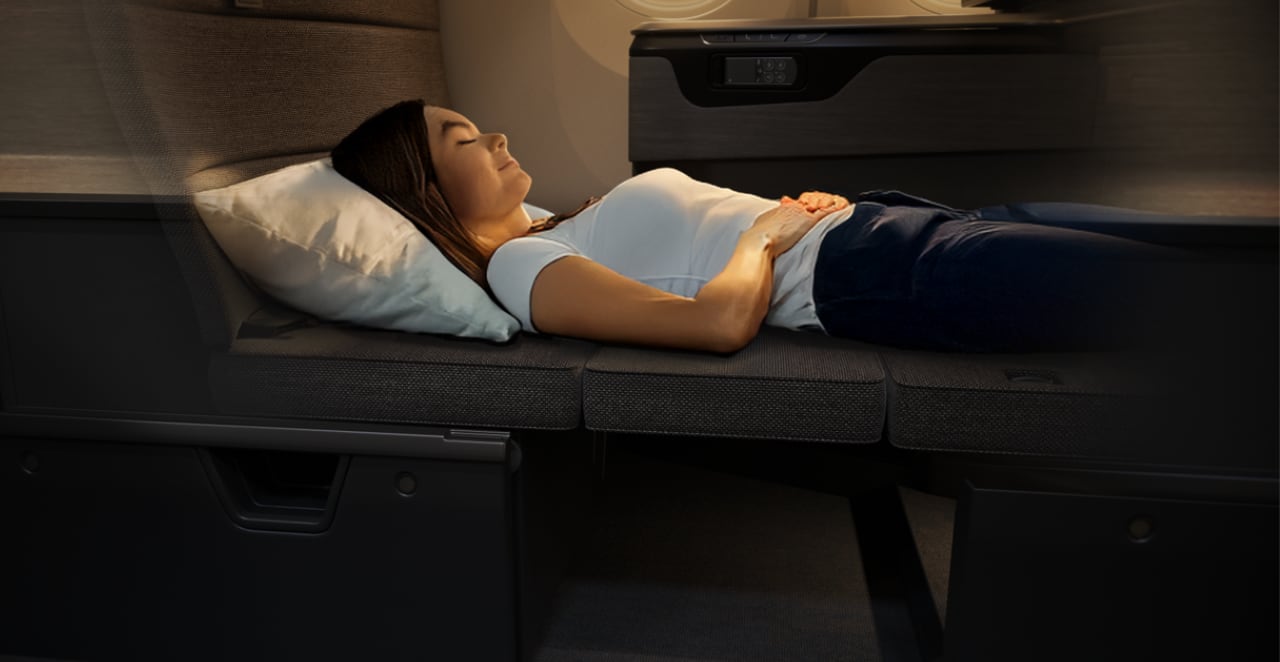
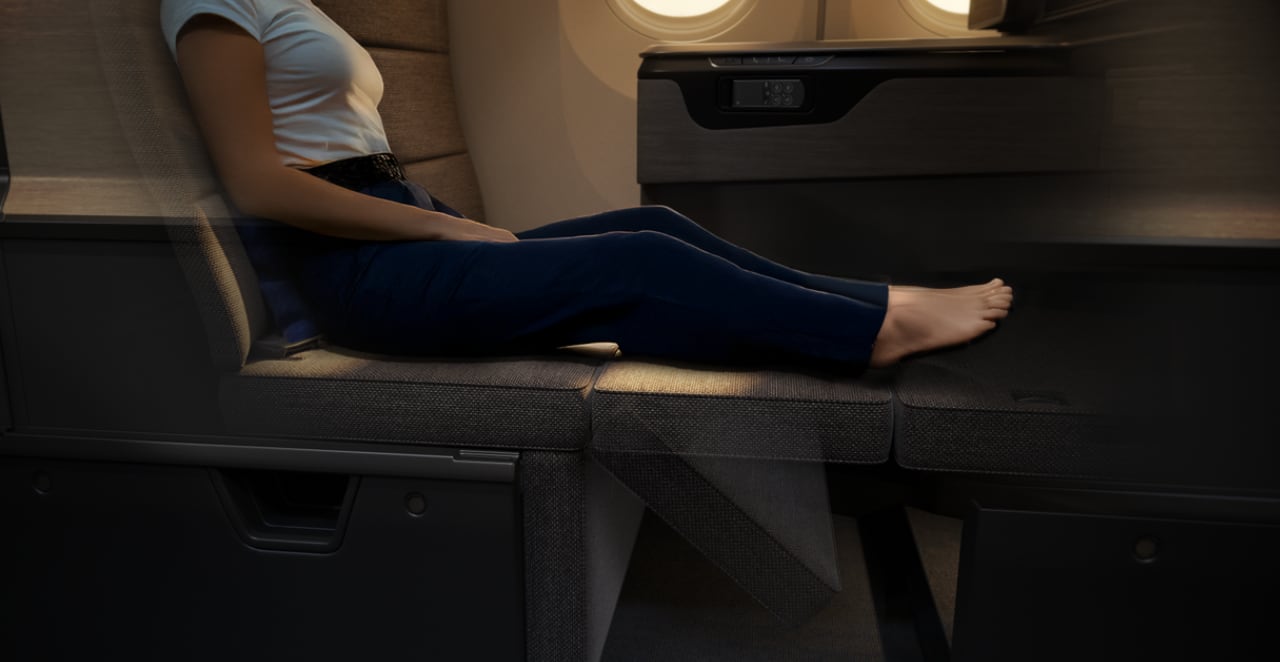
Here’s where things get really interesting from a design perspective. The Room FX doesn’t recline like traditional business class seats. It’s pre-reclined, functioning like your living room sofa. The backrest stays in a fixed, comfortable position while an adjustable leg rest transforms the space into a full flat bed. This isn’t just a gimmick.
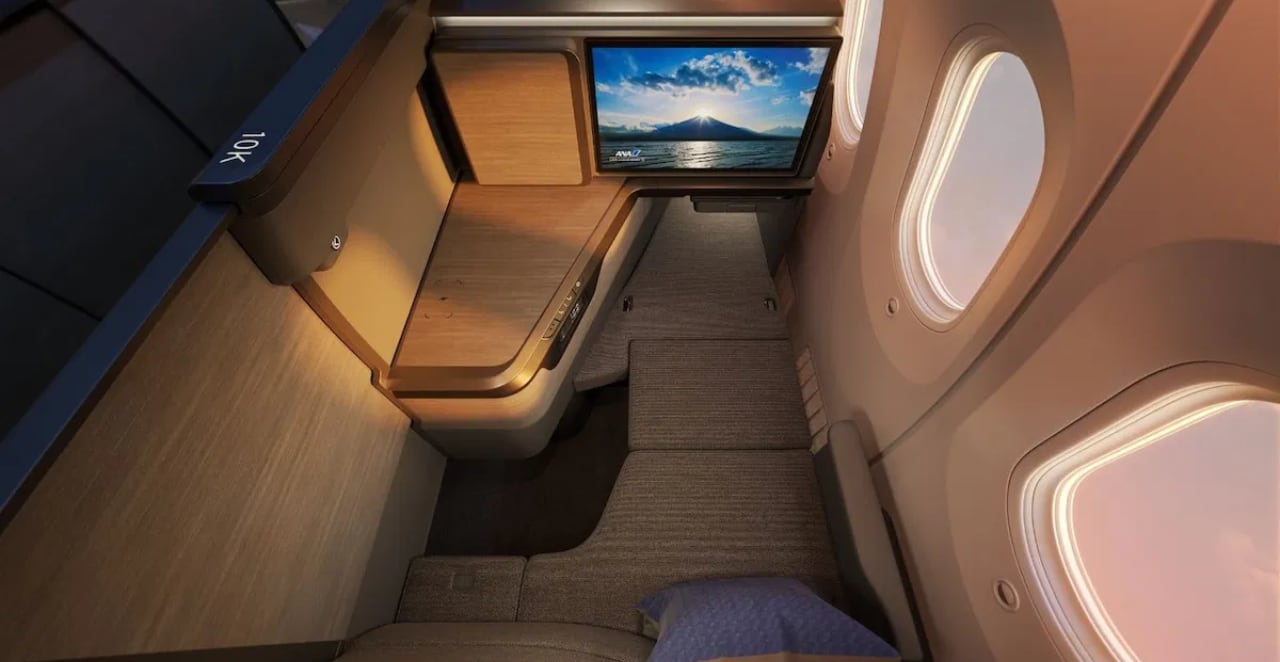

It’s a fundamental shift in how we think about airline seating mechanics, and honestly, it makes perfect sense when you think about it. Traditional airline seats try to be everything. They aim to work upright for takeoff, angled for dining, reclined for sleeping. They usually do all of these things poorly. The sofa approach says “forget trying to be everything” and instead creates one really comfortable position that works for multiple activities. The dimensions tell the story of ANA’s commitment to space, with each seat measuring 41.5 inches at its widest point and extending to 76.5 inches when configured as a bed. That’s genuinely impressive for a 787, where every inch matters. The seat pitch measures 103 inches per pair, which translates to 51.5 inches per individual seat. What’s particularly clever is how the designers achieved this without making the cabin feel cramped or claustrophobic. This feat requires serious spatial intelligence.
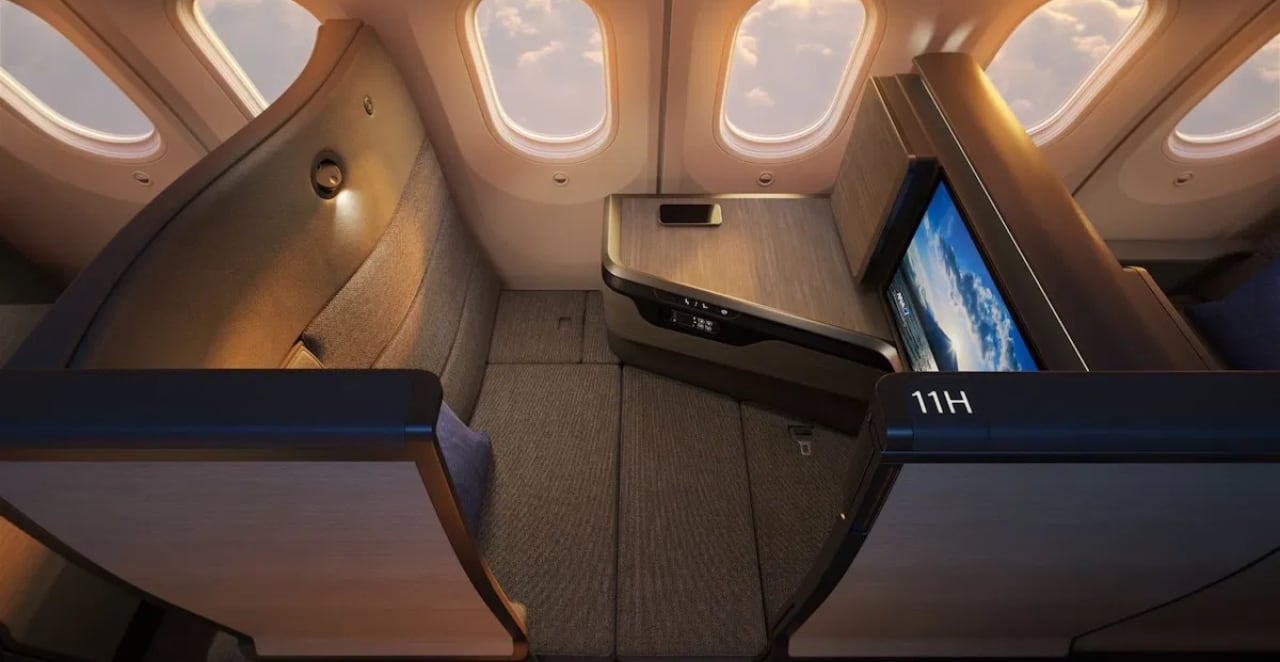
The sofa-style approach solves several design problems simultaneously. Traditional reclining mechanisms are complex, heavy, and prone to mechanical issues. Anyone who’s dealt with a broken seat recline on a long flight knows this pain. By eliminating the recline function, the designers reduced weight, improved reliability, and created more flexible seating positions. Passengers can lounge in various positions throughout the flight, from upright work mode to relaxed conversation stance to full sleep configuration.
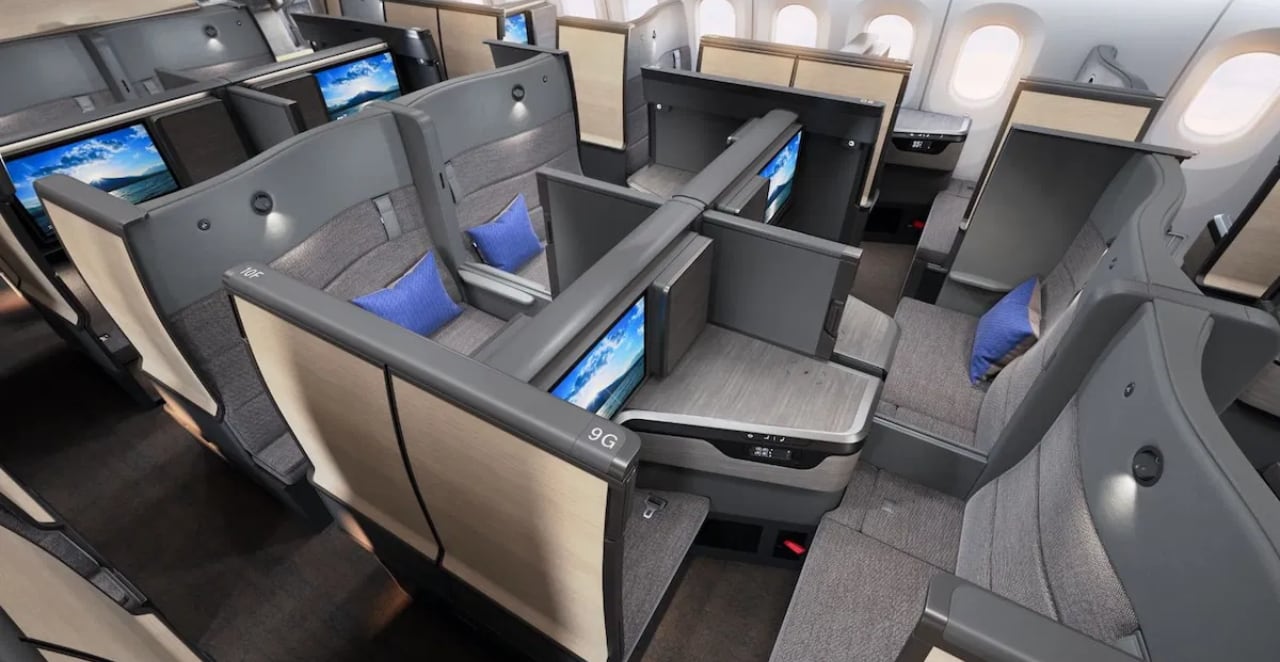
The visual impact is immediate when you see the cabin layout. Instead of the typical business class appearance with seats in various stages of recline creating a chaotic visual mess, The Room FX creates a consistent, lounge-like atmosphere. Every seat maintains the same sophisticated silhouette, contributing to a sense of order and calm that’s often missing in premium cabins. The design team clearly understood that passenger comfort isn’t just about individual seat features. It’s about the overall spatial experience. You walk into this cabin and immediately feel like you’re in a high-end lounge rather than an airplane. That psychological shift matters more than most airlines realize. When you feel relaxed from the moment you board, the entire flight experience improves.
Privacy Reimagined Through Smart Design
The sliding privacy doors represent another thoughtful design evolution. Unlike the pocket doors used in The Room on 777s, these new doors slide inline, creating significant space savings while maintaining complete privacy. This isn’t just about having doors. It’s about how those doors integrate into the overall design without compromising the spatial experience.
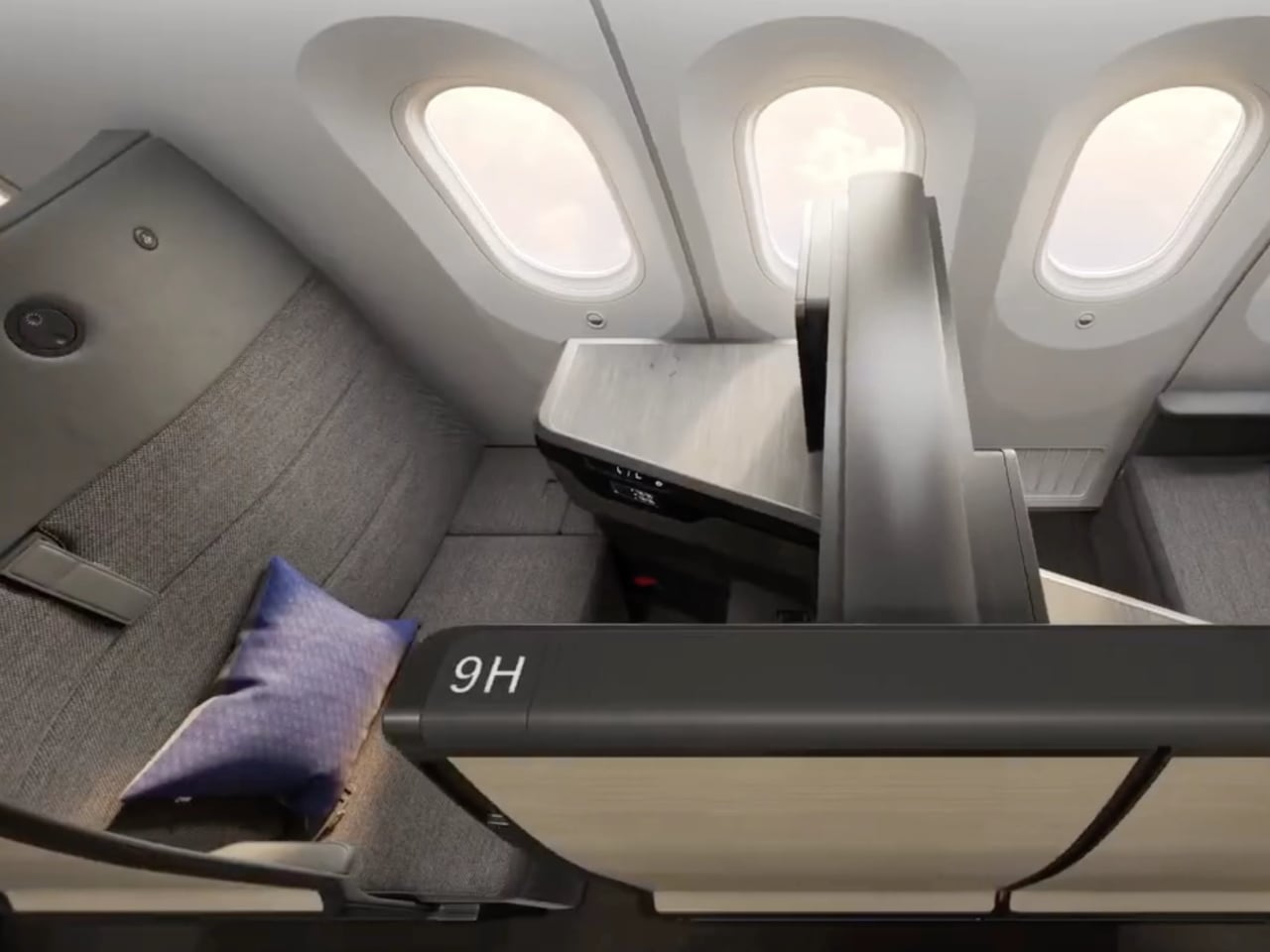
What strikes me about the privacy solution is how it addresses the psychological aspects of travel. Most airlines completely ignore this aspect. Business class passengers want control over their environment, and these doors provide that without feeling claustrophobic. The height and positioning create a genuine sense of personal space while maintaining the open, airy feel that makes long flights bearable. The materials and finish quality match the premium positioning without adding unnecessary weight or complexity. Having doors that actually work properly might seem like a low bar, but you’d be surprised how many airlines mess this up.
The center section features manually operated sliding screens between seats, adding another layer of privacy control. This gives passengers in the middle section the option to create a more social environment or complete isolation, depending on their preference. It’s the kind of thoughtful detail that shows the design team really considered how people actually use these spaces during long flights. The flexibility to adapt the environment to different phases of the journey feels genuinely useful. Work, dining, socializing, sleeping. Most business class designs assume you’ll use the seat the same way for the entire flight, which is completely unrealistic. People’s needs change over 10-12 hours, and the design should accommodate that. ANA gets this in a way that feels rare in airline design.
The door design also contributes to the overall cabin aesthetic. Rather than creating a fortress-like appearance that makes the cabin feel segmented and cold, they maintain visual flow while providing functional privacy. The proportions and materials create a sense of residential comfort that’s rare in airline design.
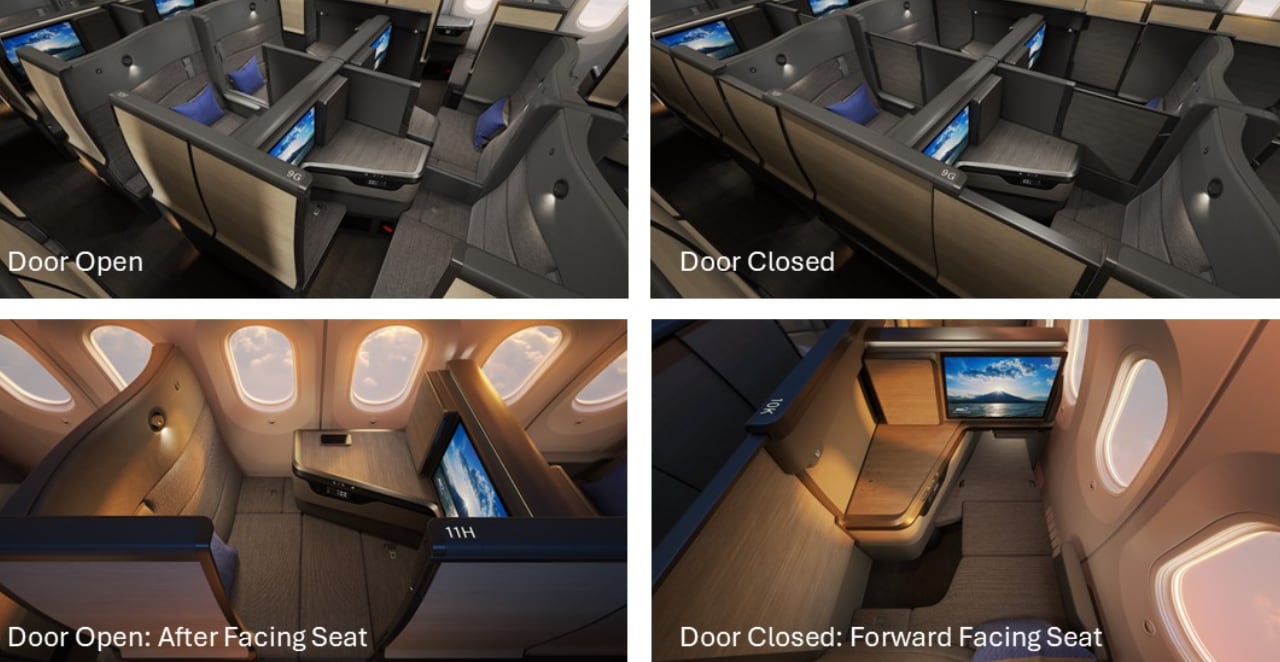
The integration with the seat’s electronics and storage solutions shows sophisticated planning that goes beyond just making things look good. Everything from wireless charging pads to personal storage areas works seamlessly with the privacy features. The doors don’t interfere with accessing amenities or using the entertainment system. It’s the kind of holistic design thinking that separates truly thoughtful products from mere feature collections. When everything works together instead of fighting each other, you know the designers actually understood the problem they were solving. The lighting integration deserves special mention because it shows attention to the temporal aspects of flight that most airlines ignore completely.
Technology Integration That Actually Makes Sense
The technology story in The Room FX focuses on practical improvements rather than flashy features that look good in press releases but annoy passengers in real life. The 24-inch high-definition monitor represents a 40% increase in screen size compared to ANA’s current 787 business class. But more importantly, the screen positioning and viewing angles work better with the sofa-style seating position. You’re not craning your neck or adjusting your position to get a good view. The screen naturally falls within your line of sight. This seems obvious, but you’d be shocked how many airlines get this basic ergonomic principle wrong.
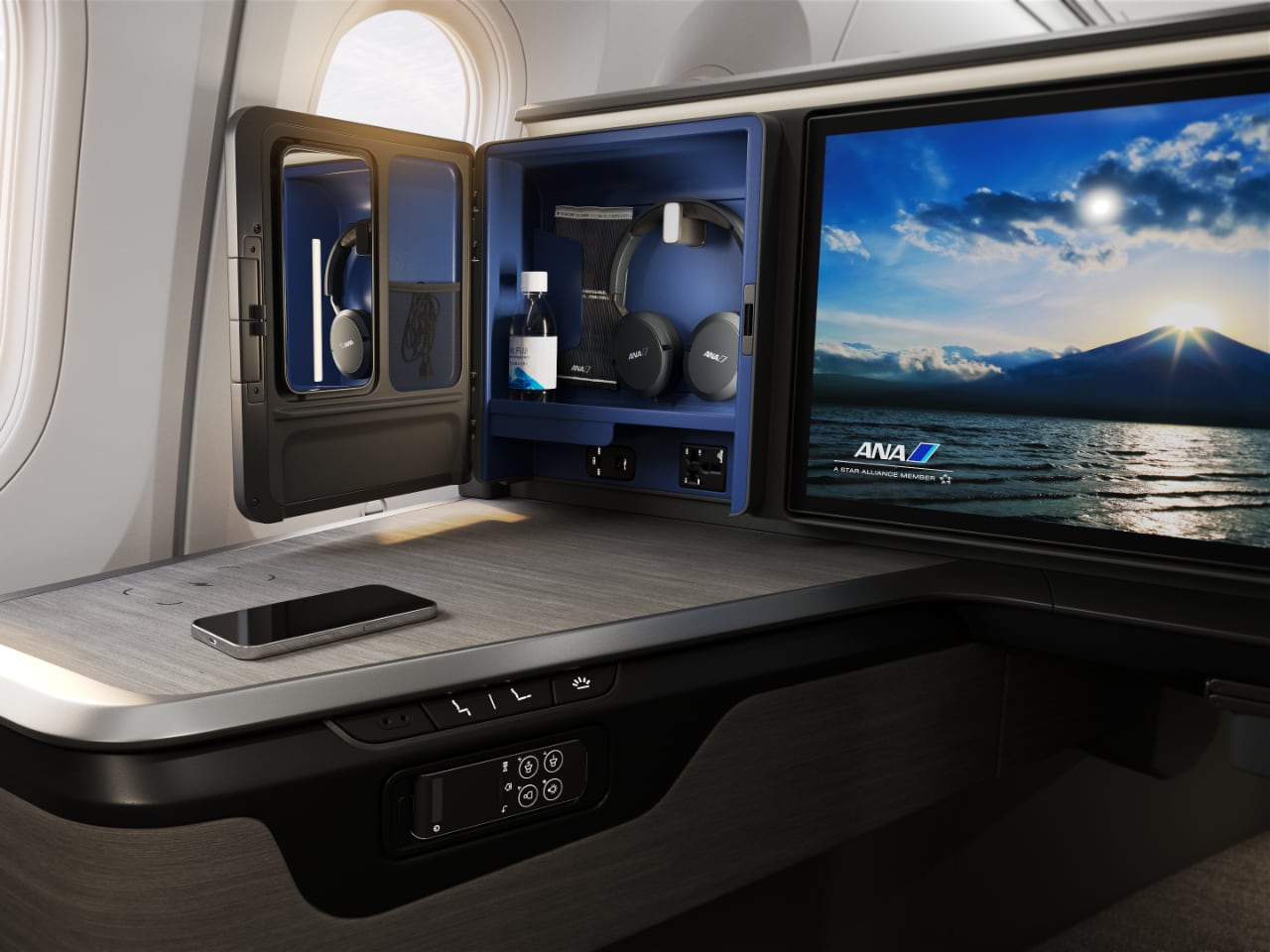
Wireless charging integration feels seamless rather than tacked on, which is refreshing in an industry that loves adding technology for technology’s sake. The charging surfaces are positioned where you’d naturally place your phone or earbuds, not in some awkward location that requires conscious effort to use. USB-C ports provide fast charging for larger devices, while the wireless zones handle everyday items without you having to think about it. The power management system ensures devices stay charged throughout the flight. This kind of invisible technology integration is what separates good design from great design. When technology disappears into the background and just works, you know they got it right.
The Bluetooth audio capability addresses a real pain point that every frequent traveler knows intimately. Instead of dealing with airline-provided headphones that sound terrible or hunting for adapters that never work properly, passengers can use their own wireless headphones directly with the entertainment system. It’s a small feature that has big implications for the travel experience. Your own headphones always sound better and feel more comfortable than airline alternatives, and eliminating the wired connection reduces clutter in an already confined space. Plus, no more untangling cables or dealing with broken jacks.
Storage solutions show similar thoughtfulness in addressing real-world travel behaviors. The expanded side consoles provide dedicated spaces for different types of items. Work materials, personal electronics, travel documents, and personal items each have appropriate storage areas. The designers clearly studied how business travelers actually organize their belongings during flight and created storage solutions that support natural behaviors rather than fighting against them. Most airline storage feels like an afterthought, with compartments that are either too small, too awkwardly positioned, or too difficult to access during flight.
The entertainment system integration goes beyond just screen size and actually considers how people use these systems during long flights. The interface design and content organization work better with the sofa-style seating position, allowing you to browse content, work on your laptop, and maintain conversations more naturally than with traditional reclining seats. The system recognizes that business class passengers often multitask during flight and supports that behavior rather than forcing you to choose between activities. This understanding of actual passenger behavior versus idealized use cases shows design maturity.
Space Optimization Through Strategic Sacrifice
Here’s what really impresses me about The Room FX from a design perspective: ANA made conscious decisions to prioritize passenger experience over profit maximization, which is practically unheard of in today’s airline industry. The airline maintains their 48-seat business class configuration while dedicating significantly more space per passenger than competitors. ANA reduces density in the forward cabin section, installing 24 seats where other airlines might fit 30, showing their commitment to passenger comfort over maximum revenue extraction. That’s a significant revenue sacrifice in service of design principles, and it shows in every aspect of the passenger experience.
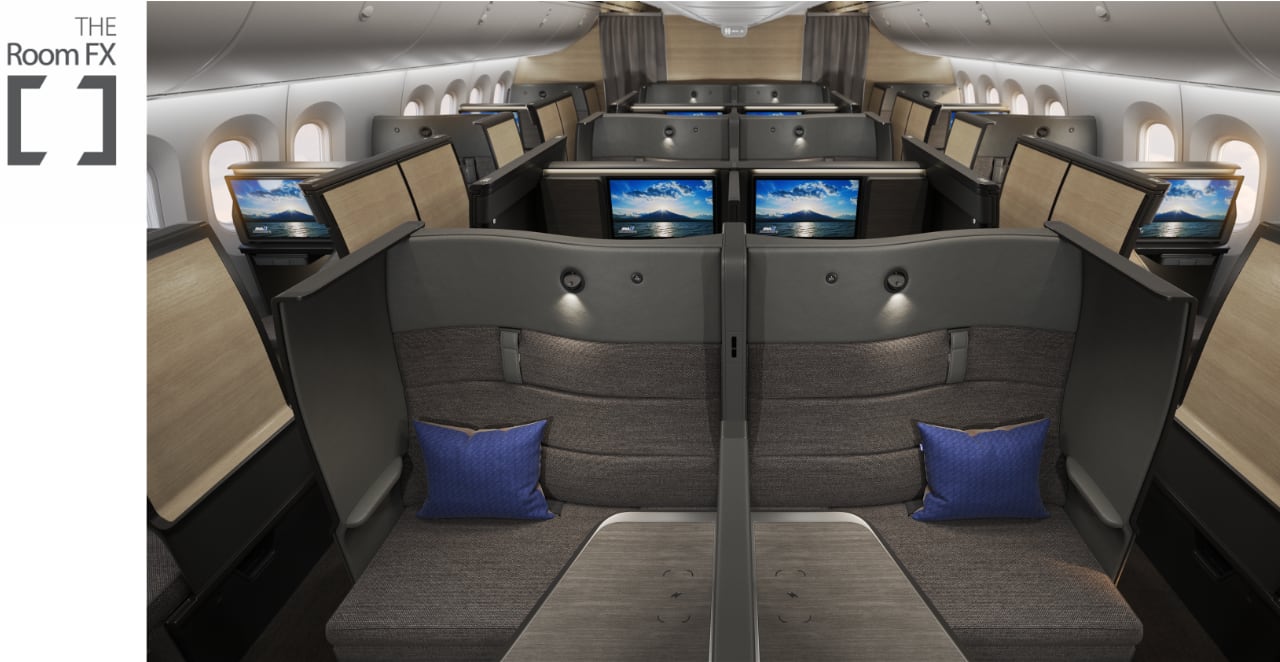
The 1-2-1 configuration provides direct aisle access for every passenger while maintaining the spacious feel that makes long flights tolerable rather than endurable. The alternating forward and aft-facing layout creates visual interest while optimizing space utilization in ways that feel natural rather than forced. Forward-facing seats feel more natural for most passengers, while aft-facing seats can provide a different perspective and often feel more private. The variety adds visual rhythm to the cabin while serving practical purposes. It’s form and function working together instead of competing.